[ newsletter ]
Stay ahead of Web3 threats—subscribe to our newsletter for the latest in blockchain security insights and updates.
Thank you! Your submission has been received!
Oops! Something went wrong. Please try again.
Stay informed on stablecoin depeg alerts: understand triggers, historical incidents like UST and USDC, and risk mitigation strategies for investors.


Stablecoins are supposed to be, well, stable. They aim to keep a steady price, usually tied to a dollar or another asset. But sometimes, they slip. When a stablecoin loses its intended value, it's called a depeg. Getting alerts about these potential depegs is super important for anyone holding them. This article looks at what causes these depegs, what happened in the past, and how to watch out for them.
Stablecoins are designed to maintain a stable value, usually pegged to a fiat currency like the US dollar. However, sometimes they can lose this peg, a situation known as a 'depeg'. When this happens, the stablecoin starts trading significantly below its intended value. Alerts about these depeg events are super important for anyone involved in crypto, whether you're just holding stablecoins or using them in decentralized finance (DeFi) applications.
A depeg event usually kicks off when there's a lot of selling pressure on a stablecoin, more than its system can handle. This can happen for various reasons, like a loss of confidence in the stablecoin's backing or its underlying mechanism. Once the price starts to drop, it can create a domino effect. People get scared and try to sell their stablecoins quickly, which pushes the price down even further. This creates a kind of downward spiral that's hard to stop.
For example, the TerraUSD (UST) collapse in May 2022 was a massive depeg event. Its algorithmic design couldn't handle the massive sell-off, and it went from being worth around $1 to practically nothing. This showed just how vulnerable algorithmic stablecoins can be.
The speed at which a stablecoin can depeg can be alarming. What might start as a small dip can quickly turn into a significant loss if the underlying issues aren't addressed or if market panic takes over. This is why monitoring these assets closely is so important.
Market volatility is a big factor when it comes to stablecoins losing their peg. When the overall crypto market gets wild and unpredictable, stablecoins can get caught in the crossfire. Even stablecoins that are backed by real-world assets can face temporary depegs if there's a sudden rush to sell everything, including stablecoins, to get cash or move to safer assets. Algorithmic stablecoins, which rely on complex code to maintain their price, are especially sensitive to market swings. If the market moves too fast, their algorithms might not be able to keep up, leading to a depeg.
As an investor, spotting potential problems before they become a full-blown depeg is key. Here are some things to watch out for:
Keeping an eye on these indicators can help you make more informed decisions and potentially avoid significant losses when a stablecoin depeg alert goes off.
Stablecoins are designed to maintain a steady value, usually pegged to a fiat currency like the US dollar. However, history shows us that this stability isn't always guaranteed. Several high-profile depegging events have occurred, shaking investor confidence and highlighting the inherent risks. Understanding these past incidents is key to grasping why stablecoin depeg alerts are so important.
The collapse of TerraUSD (UST) in May 2022 was a massive event in the crypto world. UST was an algorithmic stablecoin, meaning it didn't have direct collateral backing it up like traditional stablecoins. Instead, it relied on a complex system involving its sister token, Luna, to maintain its $1 peg. When UST started to lose its peg, a death spiral kicked in. As UST fell, people rushed to sell it, which in turn caused Luna's price to plummet. This created a feedback loop that destroyed both tokens.
The TerraUSD collapse served as a stark reminder that algorithmic stablecoins, while innovative, carry significant risks that can lead to catastrophic failure if their underlying mechanisms falter under market pressure.
In March 2023, the crypto market faced a different kind of scare when Silicon Valley Bank (SVB) suddenly collapsed. It turned out that Circle, the issuer of the USD Coin (USDC) stablecoin, had a significant portion of its reserves – about 8% – held at SVB. This news caused immediate panic. Investors worried that Circle might not be able to access its funds, leading to a rush to sell USDC. The stablecoin briefly traded as low as $0.87. Thankfully, swift action from U.S. regulators, including the FDIC, Treasury Department, and Federal Reserve, who guaranteed all deposits at SVB, helped restore confidence. This event showed how interconnected traditional finance and the crypto world can be, and how issues in one can quickly spill over into the other. It also highlighted the importance of reserve management for stablecoin issuers.
More recently, in October 2025, Ethena's USDe, another algorithmic stablecoin, experienced a temporary depeg. This happened during a period of significant market sell-off, triggered by news of escalating geopolitical tensions. USDe dropped to around $0.65 on major exchanges. While Ethena's mechanism is different from UST's, this event still demonstrated the vulnerability of even newer stablecoin designs to broad market downturns and external shocks. The quick recovery of USDe after the initial dip showed some resilience, but the incident served as a warning about the potential for rapid price swings, especially in algorithmic stablecoins, when market sentiment turns negative. This event underscores the need for constant monitoring of stablecoin metrics.
These historical depegging events, from the catastrophic collapse of UST to the more contained but still concerning USDC and USDe incidents, provide invaluable lessons. They underscore the critical need for robust risk management, transparent reserve reporting, and vigilant monitoring of stablecoin health.
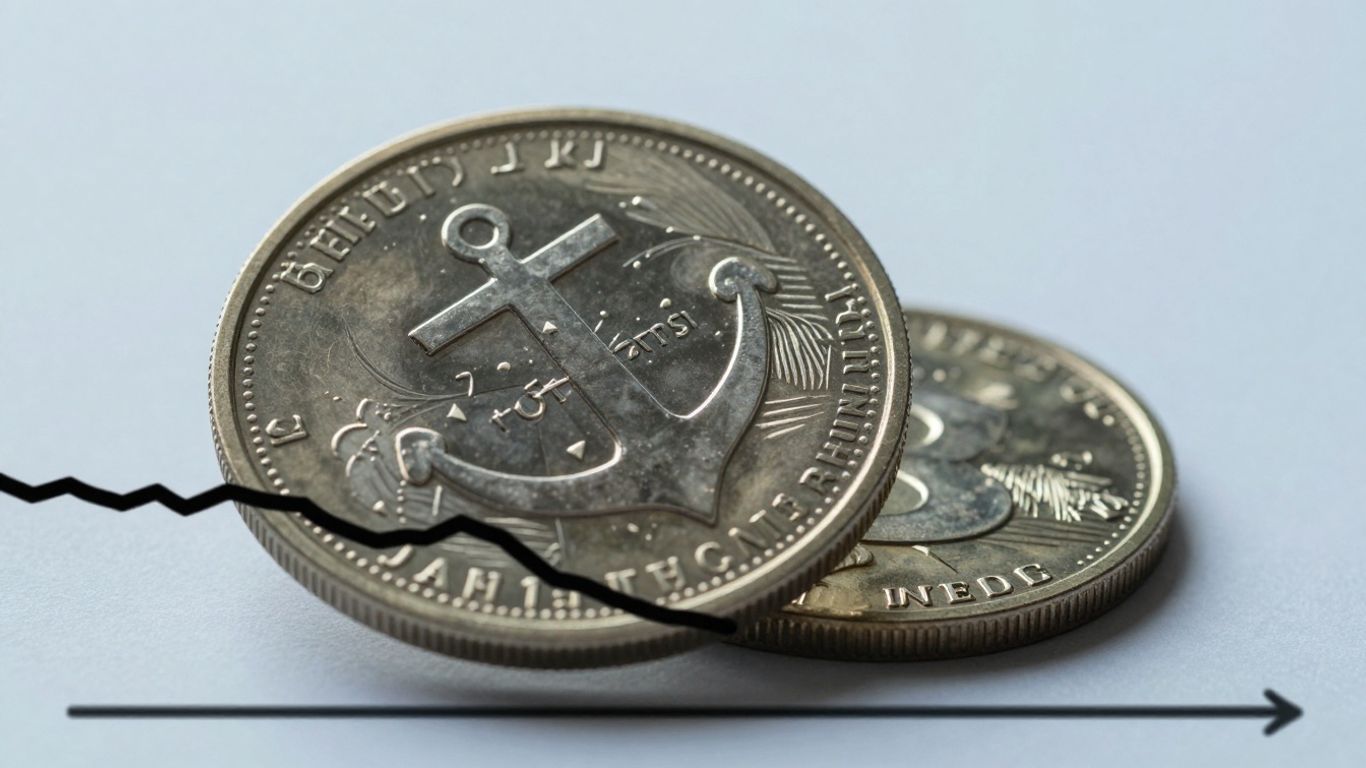
Stablecoins are designed to hold a steady value, usually pegged to a fiat currency like the US dollar. However, they aren't immune to losing that peg, a situation known as a depeg. Several factors can trigger these events, often creating a domino effect that can be hard to stop once it starts.
One of the most direct ways a stablecoin can lose its peg is if there are doubts about the assets backing it. For fiat-backed stablecoins, this means questions about whether the issuer actually holds enough reserves to cover every single coin in circulation. If people think the reserves aren't there, they'll rush to cash out, and if the issuer can't meet those redemption requests, the coin's value plummets.
For algorithmic stablecoins, the risk comes from the mechanism itself. These coins rely on complex code and market incentives to maintain their peg. If the market gets too wild, or if there's a sudden, massive sell-off, the algorithms might not be able to keep up. We saw this with TerraUSD (UST), which collapsed spectacularly when its stabilizing mechanisms failed under pressure. The core issue is that these systems often assume a level of market stability that doesn't always exist.
Algorithmic stablecoins are particularly vulnerable because their stability relies on a delicate balance of incentives and automated actions. When market sentiment shifts dramatically, these systems can enter a death spiral, as seen in the dramatic collapse of TerraUSD.
Even if a stablecoin is fully backed, problems can arise if people can't easily trade it or redeem it for its pegged value. Liquidity is key here. If there aren't enough buyers when people want to sell, or if the issuer can't process redemptions fast enough, the price can drop below the peg.
During the Silicon Valley Bank crisis in March 2023, USDC experienced a temporary depeg. This happened because Circle, the issuer of USDC, had a portion of its reserves held at SVB. When SVB failed, investors worried about Circle's access to its funds, leading to a rush to sell USDC. While the situation was resolved, it showed how interconnected the financial system is and how quickly confidence can erode. This event highlighted the importance of stablecoin reserve analysis.
Beyond reserves and liquidity, the underlying technology and operational setup of a stablecoin can also be a trigger. Smart contract bugs, governance issues, or even external factors like regulatory crackdowns can all play a role.
For instance, oracle manipulation attacks, where external data feeds used by stablecoins are compromised, can trick the system into thinking the market price is different from reality. This can lead to incorrect minting or burning of tokens, destabilizing the peg. These kinds of technical failures can happen quickly and without much warning, catching investors off guard.
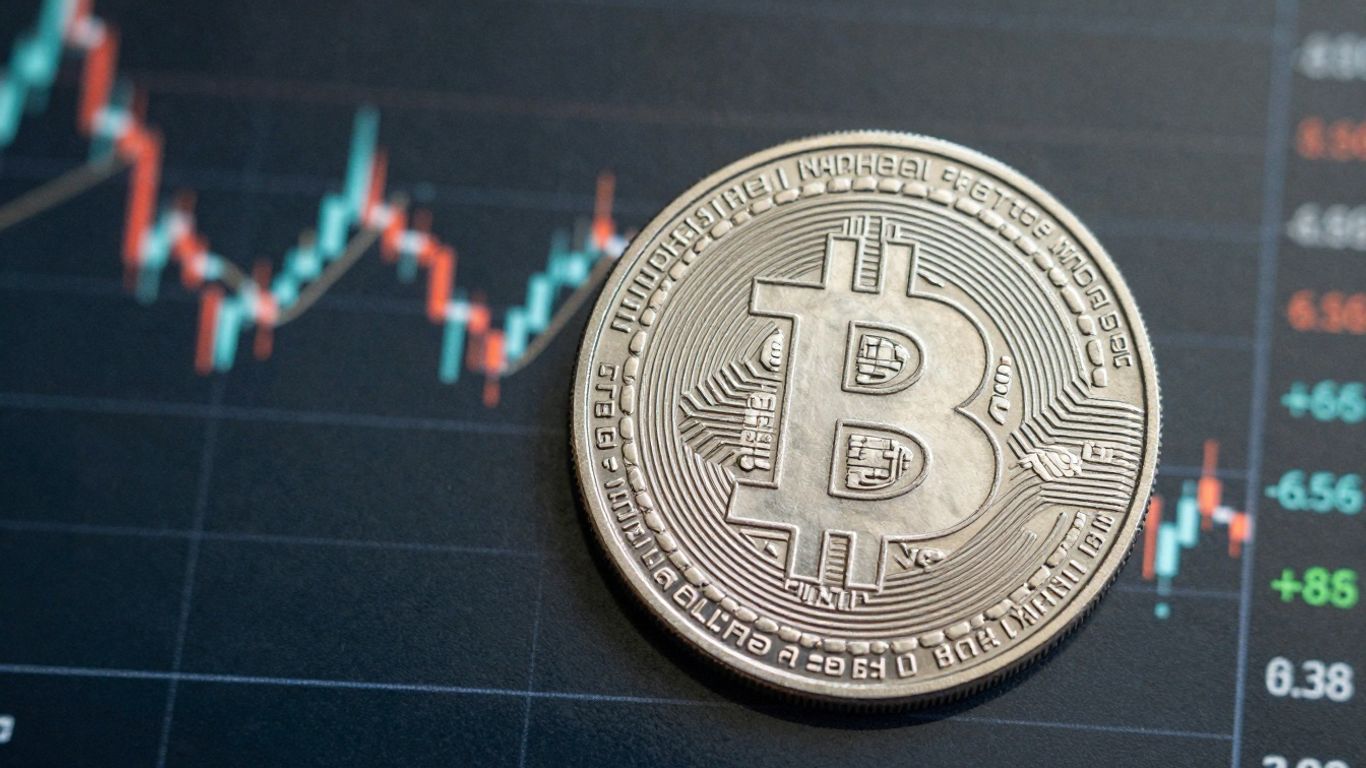
Keeping a close eye on stablecoins is super important if you want to avoid nasty surprises. It's not just about picking a stablecoin and forgetting about it. You've got to stay engaged.
Think of this as the dashboard for your stablecoin investments. You need to watch things like the price, trading volume, and how easily you can buy or sell it (market depth). If you see big swings or a sudden drop in trading activity, it could be an early warning sign. It’s like checking the weather before a trip – you want to know if a storm is brewing.
Putting all your eggs in one basket is never a good idea, especially with stablecoins. Spreading your holdings across different stablecoins, and even different types (like fiat-backed and crypto-backed, if you're feeling adventurous), can help. But it's not just about spreading out; you also need a plan for when things go wrong. What will you do if one of your stablecoins starts to wobble? Having a clear strategy in place before a crisis hits is way better than trying to figure it out on the fly.
This is all about not betting the farm on any single stablecoin. You need to set limits on how much you're willing to invest in any one stablecoin, or even stablecoins as a whole. This helps to contain potential losses. If a stablecoin depegs, the damage to your overall portfolio should be manageable, not catastrophic. It’s about smart risk management, not just chasing the highest yield.
Setting strict limits on how much capital you allocate to any single stablecoin is a fundamental step in protecting your overall investment portfolio from unexpected depeg events. This disciplined approach ensures that even in the worst-case scenario, the impact remains contained and does not lead to significant financial distress.
When we talk about stablecoins backed by real-world assets like dollars or gold, the biggest question mark is always the reserves. Are they really there? Are they liquid enough? And are they being managed responsibly? It's not just about having a pile of cash somewhere; it's about the quality and accessibility of those assets. For instance, if a stablecoin issuer holds a lot of its reserves in short-term commercial paper, that might seem safe, but during a market crunch, that paper could become hard to sell quickly without taking a big loss. This is where transparency becomes super important. We need to see regular, independent audits of these reserves. Without that, it's just a leap of faith.
Algorithmic stablecoins are a whole different beast. They don't have physical assets backing them up. Instead, they rely on complex code and market incentives to keep their price steady. Think of it like a balancing act. When demand for the stablecoin goes up, the algorithm might mint more to keep the price from rising too much. When demand drops, it might burn tokens or use other mechanisms to keep the price from falling. The problem is, this balance can be really fragile. If confidence in the algorithm wavers, or if there's a sudden, massive sell-off, the system can get overwhelmed. It's like a house of cards – one wrong move and the whole thing can come crashing down, as we saw with TerraUSD (UST). The reliance on market psychology and complex code makes them inherently more prone to sudden, dramatic failures.
Beyond the specific design of a stablecoin, there are always technical risks. Smart contracts, the code that runs these stablecoins, can have bugs or vulnerabilities. Even a small coding error could potentially lead to a massive loss of funds or disrupt the entire system. And because blockchains are pretty much set in stone once something is recorded, fixing these bugs after they've been exploited can be incredibly difficult, sometimes impossible. We've seen major hacks in 2025, like the $223 million exploit on the Sui network due to an integer overflow in a math library, or the $70 million token drain on UPCX through a contract upgrade exploit. These aren't just isolated incidents; they highlight how interconnected the crypto world is. A failure in one protocol, especially a stablecoin, can send shockwaves through the entire ecosystem, triggering cascading liquidations and widespread panic. It's a reminder that even with the best intentions, the underlying technology itself can be a source of significant risk.
When you're putting your money into stablecoins, it's not just about picking one and forgetting about it. The market can be pretty wild, and even stablecoins can have their moments. So, what can you actually do to keep your investments safer?
Think of a stop-loss order like a safety net. You set a price below the current market value, and if the stablecoin drops to that price, your coins are automatically sold. This helps you get out before things get really bad, limiting how much you could lose. It's a pretty straightforward way to manage risk, especially if you can't watch the market all the time.
Putting all your eggs in one basket is never a good idea, right? The same goes for stablecoins. Instead of just holding one type, spread your investment across a few different ones. This could mean holding a mix of fiat-backed stablecoins like USDC and USDT, or even exploring some of the newer, more innovative options if you're comfortable with the extra risk. If one stablecoin runs into trouble, the others might be fine, protecting your overall investment.
Staying informed is super important. Keep an eye on the news, especially anything related to the stablecoins you hold. Are there new regulations coming out? Has the issuer released an updated audit report? Did a major bank that holds reserves for a stablecoin have issues? Even small bits of information can be a big deal. Being aware of these developments can help you make smarter decisions before a problem gets out of hand.
It's easy to get caught up in the excitement of new crypto projects, but when it comes to stablecoins, stability is the name of the game. Always do your homework and understand what backs the coin you're holding. Don't just trust the name; look at the details.
Here's a quick rundown of what to watch out for:
So, we've looked at what can cause stablecoins to lose their peg and some of the times it's actually happened. It's clear that while stablecoins are super useful for a lot of things in crypto, they aren't without their risks. Things like market shocks, problems with how they're backed, or even just bad code can cause big issues. As the crypto world keeps growing and more people and businesses use stablecoins, understanding these potential problems is really important. Keeping an eye on how stablecoins are managed and what the rules are will be key for anyone involved.
A stablecoin depeg alert is like a warning sign that tells you a stablecoin, which is supposed to stay at a steady price (like $1), is starting to lose that price. It means the stablecoin is no longer worth its intended value.
Several things can cause this. Sometimes, the money or assets that are supposed to back the stablecoin aren't there or aren't as valuable as they should be. Other times, if too many people try to sell their stablecoins at once, or if there's a lot of fear and uncertainty in the crypto market, the stablecoin can drop in price.
No, they're not. Stablecoins that are backed by real money, like US dollars, are generally safer. Stablecoins that use complex computer programs (algorithms) to try and keep their price steady are riskier because those programs might not work when the market gets wild.
TerraUSD (UST) was a type of stablecoin that used an algorithm. In 2022, it lost its value very quickly, dropping from around $1 to almost nothing. This event caused huge losses for many people and showed how risky algorithmic stablecoins can be.
To stay safer, you can spread your investments across different stablecoins instead of putting all your money in one. It's also smart to keep an eye on the news about stablecoins and set 'stop-loss' orders, which automatically sell your stablecoin if its price drops too much.
While generally safer, even stablecoins backed by real money can face problems. For example, if the bank holding the reserves for a stablecoin runs into trouble, it can affect the stablecoin's value. It's always important to check who is backing the stablecoin and how transparent they are about their reserves.