[ newsletter ]
Stay ahead of Web3 threats—subscribe to our newsletter for the latest in blockchain security insights and updates.
Thank you! Your submission has been received!
Oops! Something went wrong. Please try again.
Detect risky tokens fast with Veritas Explorer's rug pull scanner. Analyze contracts, assess risks, and protect your crypto investments.


The crypto world moves super fast, and keeping your digital stuff safe can feel like a constant battle. Exploits and scams are unfortunately common, and the old ways of checking security just don't cut it anymore. That's why we need smarter, always-on systems to watch over your investments and projects. We're talking about continuous, on-chain risk monitoring that can spot trouble before it becomes a disaster. This guide will walk you through how to use our advanced rug pull scanner and understand the risks involved.

In the fast-paced world of cryptocurrency, scams are unfortunately a common occurrence. One of the most talked-about is the 'rug pull.' It sounds a bit strange, but it's a serious problem for anyone investing in digital assets. Basically, a rug pull happens when the people behind a crypto project suddenly take all the invested money and disappear, leaving everyone else with worthless tokens. It's like they pull the rug out from under your feet, hence the name. These scams often target new investors or those looking for quick profits, making it important to be aware of the tactics used.
Spotting a potential rug pull before it happens requires a good dose of caution and a bit of research. While no method is foolproof, paying attention to certain warning signs can significantly reduce your risk. Here are some key indicators to watch out for:
The crypto space is still relatively new, and scammers are constantly finding new ways to trick people. Staying informed and being cautious is your best defense. Don't just jump into projects based on hype or promises of quick riches; always do your own homework.
By understanding these common scam tactics and staying vigilant, you can better protect yourself and your investments in the crypto market.
Navigating the crypto world can feel like a maze sometimes, right? With so many new tokens and projects popping up daily, it's tough to know what's safe and what's not. That's where Veritas Explorer really steps in to help. It's like having a seasoned guide who knows all the shortcuts and hidden dangers.
One of the first things you'll notice is how quickly Veritas Explorer gives you a risk score for pretty much anything you look up. It's not just some random number; it's based on a whole bunch of checks that the system runs automatically. This means you can get a quick idea of whether a token or contract looks a bit shady or seems okay, without having to dig through lines of code yourself. This immediate feedback is a game-changer for making faster, more informed decisions. It helps you sidestep the obvious pitfalls right from the start.
Beyond just a risk score, Veritas Explorer breaks down the details for each asset. You can see if a token's contract has been verified, which is a good sign that the developers are being upfront. It also flags things like unusual tokenomics or potential red flags in how the token is set up. Think of it like a quick background check for your crypto investments. You can check out the verification status of assets to get a clearer picture.
The Contract Scanner is the engine behind a lot of these risk assessments. It's designed to look for common vulnerabilities and suspicious patterns in smart contract code. While traditional audits can take weeks and cost a fortune, the Contract Scanner provides a much faster and more affordable way to get an initial security assessment. It's not a replacement for a full audit in all cases, but it's an incredibly useful tool for preliminary checks and ongoing monitoring. It helps identify potential issues like:
It's important to remember that no tool is perfect. While Veritas Explorer provides powerful insights, it's always wise to combine its analysis with your own research and common sense before committing.
Beyond just looking at code, Veritas Explorer actively hunts for bad actors and shady projects. We've built in some pretty neat tools specifically designed to sniff out scams before they get you. Think of it like having a digital bloodhound that's always on the prowl.
Veritas Explorer doesn't just passively analyze code; it actively seeks out malicious activity and suspicious ventures. Our platform is equipped with specialized tools engineered to detect scams early, acting as your first line of defense. These tools are designed to give you a heads-up before you get caught in a bad situation.
This is a big one, especially for those fast-moving memecoins that pop up everywhere. Our system keeps a close eye on tokens, particularly on networks like Solana, giving you real-time risk scores and alerts. It's all about helping you steer clear of those sudden disappearances where developers vanish with the funds. We're talking about proactive measures, not just reacting after the damage is done.
Ever clicked a link that looked legit but felt off? Our phishing scanner checks website URLs against a massive list of known scam sites. It gives you an instant analysis, so you know if that 'urgent' email or social media post is actually trying to steal your info. This helps you avoid falling for fake websites designed to trick you into giving up your private keys or personal data.
In the crypto world, anonymity can be a double-edged sword. This tool helps you get a clearer picture by checking digital identities across different platforms. It's about building a more complete view of who you're interacting with, helping to map out digital footprints and spot potential threat actors. Understanding these connections is key to uncovering larger patterns of activity, especially in cases of fraud or money laundering. It’s like connecting the dots in a massive digital web.
The sheer volume of new projects and tokens appearing daily makes manual vetting nearly impossible. Veritas Explorer's specialized tools automate much of this detection, providing a critical first line of defense against common Web3 threats.
Looking into crypto wallets can feel like trying to read a diary written in code. You see transactions, holdings, and approvals, but what does it all really mean for security? Veritas Explorer's Wallet Lookup feature is designed to make this much clearer, breaking down the complex data into understandable parts.
When you check a wallet, the first thing you'll see is a list of all the tokens it holds. It's not just a simple list, though. Veritas Explorer shows you the token's type, its contract address, and importantly, its verification status. This means you can quickly spot tokens that have passed our checks and are considered verified, versus those that might be flagged as risky or unverified. You can even filter this list to see only verified tokens, giving you a clearer picture of the safer assets within the wallet.
Digging into a wallet's transaction history is like following a money trail. You can see every send, receive, and even NFT purchases, complete with details like the transaction hash, block number, and the addresses involved. This helps you understand the flow of funds and spot any unusual patterns. The 'Approvals' section is particularly important for security. It lists all the permissions you've granted to other smart contracts or services. Regularly reviewing these approvals and revoking any that look suspicious or are no longer needed is a key step in protecting your assets. Sometimes, you might grant access to a service and then forget about it; this feature helps you catch those lingering permissions before they can be exploited.
For wallets involved in decentralized finance (DeFi), Veritas Explorer shows your current positions. This includes details on the tokens you've staked, lent, or otherwise locked up in DeFi protocols, along with their balances. Similarly, if the wallet holds any Non-Fungible Tokens (NFTs), you'll find a clear list here, showing their contract type, address, and name. This gives you a complete overview of all the digital assets associated with the wallet, whether they're standard tokens, DeFi investments, or unique NFTs.
Look, the whole crypto world moves at lightning speed. What felt safe yesterday might be a total mess today. Just relying on old security checks, like a one-time audit before a project even launches, really doesn't cut it anymore. It's kind of like checking your car's brakes once and then never thinking about them again for years. You might get lucky, but mostly you're just crossing your fingers and hoping for the best.
Veritas Explorer has some pretty neat features that genuinely help when you're trying to figure out if a token is legit. For starters, it gives you an instant verification status for tokens. This basically tells you if the token's creator bothered to go through a verification process, which adds a bit of trust. Beyond that, it offers detailed asset analysis, breaking down the risks tied to a specific token. It also includes a contract scanner that uses the same smart engine as their audit tool, giving you a solid look at the smart contract's security. These features work together to paint a clearer picture before you jump in.
Here’s a quick look at what you get:
It's easy to get overwhelmed when you're looking at new tokens or smart contracts. There's just so much information out there, and figuring out what's important can be tough. Traditional audits are still useful, don't get me wrong. They involve experts looking over code, trying to find weak spots. But the problem is, Web3 changes so fast. The threats themselves are always evolving. A snapshot audit from months ago might miss new vulnerabilities that have popped up since, or even new attack methods that developers didn't even know existed when they first wrote the code. It’s a good first step, but it’s definitely not the whole story.
This is where continuous, on-chain monitoring really shines. Think of it like having a security guard who’s always watching the cameras, 24/7. These systems can spot weird activity or potential weaknesses in real-time. They learn what's normal for a contract and then flag anything that looks out of the ordinary. This means problems can be caught before they become major issues, not just after the fact.
Veritas Explorer gives you the tools to really dig into what's going on with any token. It's not just about looking at the price chart; it's about understanding the underlying mechanics of a token and its associated smart contract. Veritas Explorer uses advanced methods to analyze how tokens behave and interact within the network. This helps identify patterns that might indicate risky behavior or outright malicious intent, which is super important for keeping your digital assets safe. For example, it can flag unusual token minting activity or hidden malicious functions within a contract. This kind of proactive analysis is key to staying ahead of bad actors and protecting your investments, giving you a clearer picture of risk based on actual, current data.
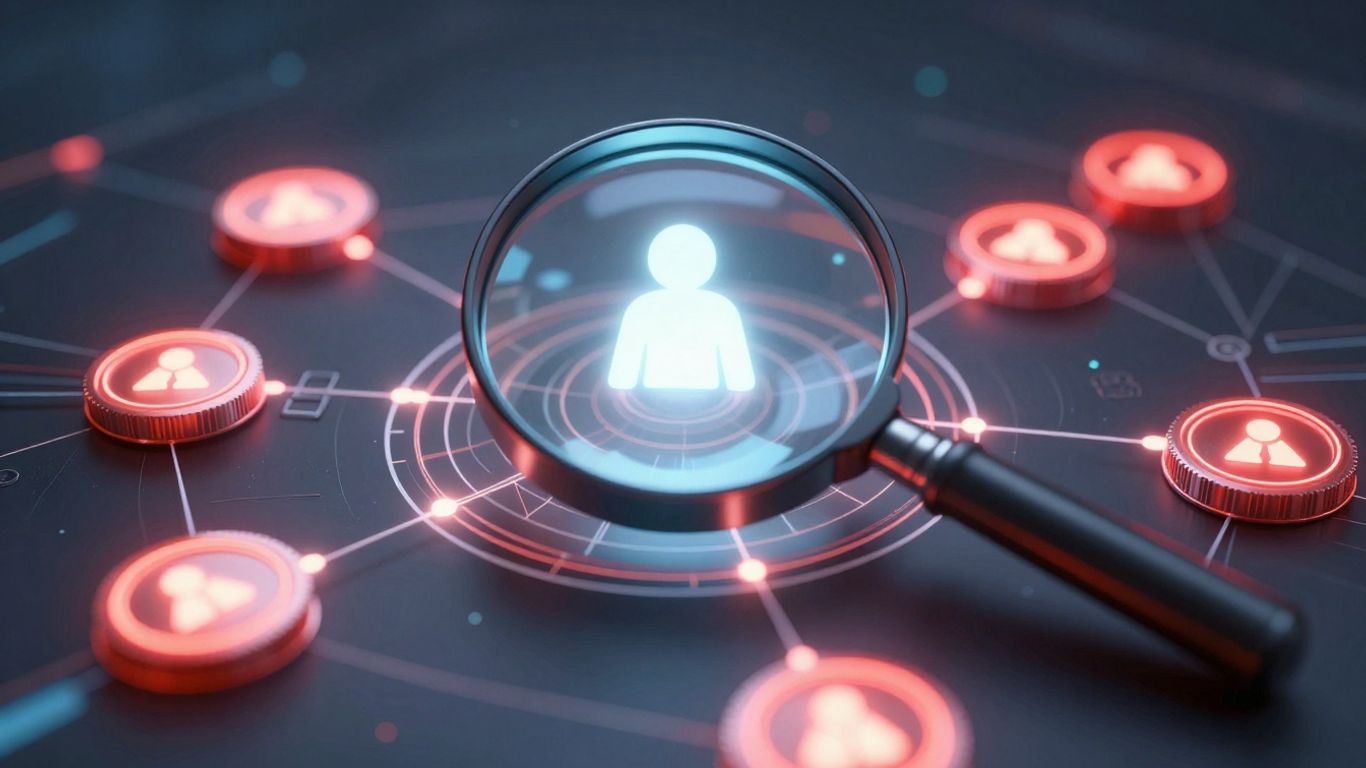
So, you've heard about rug pulls and you're wondering how to actually spot them before you get burned. That's where our advanced Rug Pull Scanner comes in. It's designed to be pretty straightforward, even if you're not a coding wizard. Think of it as your first line of defense in the wild world of crypto.
Using the scanner is simpler than you might think. The main thing you need is the contract address for the token you're interested in. You can usually find this on the project's official website or their social media pages. Sometimes, if you look up the token on a crypto market page, you can find a link to its blockchain explorer (like Etherscan). Click that link, and you'll see the official contract address. Copy that address, then head over to our scanner and paste it into the search bar. That's it! The scanner then gets to work analyzing the contract for potential problems.
Once you've entered the contract address, the scanner will churn out a report. This report is your guide to understanding the risks. It looks at a bunch of different factors, giving you a clear picture of the token's security. You'll see things like:
The goal is to give you actionable insights, not just raw data.
It's important to know that not all rug pulls look the same. Some are more technical, while others rely on pure deception. Our scanner is built to catch many of these, but knowing the types helps you stay vigilant:
Staying informed about the various ways scams can happen is your best defense. Don't just rely on hype; do your homework and use tools like our scanner to back up your research. The crypto space is still evolving, and scammers are always finding new tricks.
So, that's the rundown on Veritas Explorer and its rug pull scanner. It's pretty clear they've built a tool to help make sense of the crypto world, which can honestly feel like a maze sometimes. Getting quick risk ratings and checking verification status seems like a solid first step for anyone looking to avoid trouble. It's not a magic fix for everything, but having these kinds of insights readily available can definitely help you make smarter choices and keep your digital assets a bit safer. It feels like a good move towards making the whole crypto experience less risky for everyone.
Imagine someone builds a cool-looking treehouse, gets everyone excited to invest in it, and then suddenly pulls out the ladder and runs away with all the money. That's basically a rug pull in crypto. The creators of a digital coin or project suddenly disappear with all the money people invested, leaving everyone else with worthless digital tokens.
Veritas Explorer has special tools to sniff out bad stuff. It can check if a website is trying to trick you (phishing), identify potential 'rug pulls' where creators disappear with money, and even look into someone's online history (digital footprint) to see if they're shady.
Absolutely! You can use Veritas Explorer to look up your own wallet or anyone else's. It shows you all the coins you have, your past transactions, any permissions you've given out, and even your investments in things like DeFi. It helps you see everything clearly and check for any risky stuff.
Think of a 'risk rating' as a danger score for a token or contract. A higher score means it's riskier. The 'verification status' tells you if the project behind the token or contract has been checked and confirmed by Veritas. Verified projects are generally considered more trustworthy.
The wallet lookup shows you all the tokens in a wallet, its transaction history, any active approvals you've given, your DeFi investments, and any NFTs you own. It's a comprehensive look at a wallet's activity and holdings.
Veritas Explorer uses advanced AI and scanning tools to check the code of tokens and smart contracts. It looks for common security problems, suspicious patterns, and checks if the project is verified, giving you a risk score and detailed report to help you make informed decisions.