[ newsletter ]
Stay ahead of Web3 threats—subscribe to our newsletter for the latest in blockchain security insights and updates.
Thank you! Your submission has been received!
Oops! Something went wrong. Please try again.
Optimize crypto security alerts with PagerDuty. Learn about routing, escalation, and automated incident response for real-time crypto alerting.


Keeping crypto assets safe is a big deal. With all the moving parts in the crypto world, things can go wrong fast. That's where tools like PagerDuty come in handy. Think of it as your digital alarm system, making sure the right people get notified when something fishy is happening with your crypto security. This article talks about how PagerDuty can help manage those alerts, so you're not caught off guard.
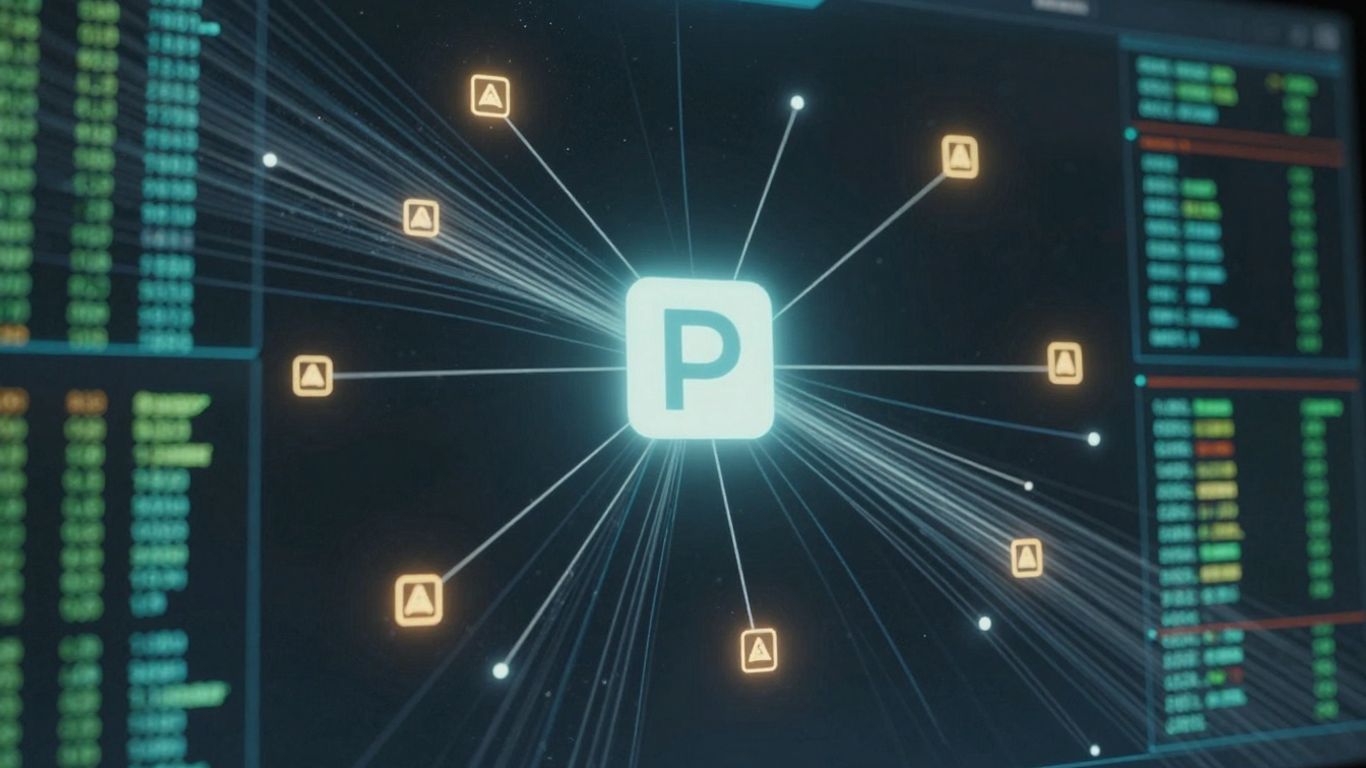
The crypto world moves fast, and so do the threats. We're talking about digital assets, decentralized finance, and global markets that operate 24/7. When something goes wrong – a suspicious transaction, a potential exploit, or a system anomaly – you can't afford to wait for a morning email. Timely alerts are not just helpful; they're absolutely critical for protecting assets and maintaining trust. Traditional security tools might give you a report later, but in crypto, 'later' can mean 'too late.' We need systems that flag issues the moment they pop up, before they snowball into major problems.
Think of PagerDuty as the central nervous system for your security operations. It's not just about sending out alerts; it's about making sure the right people get the alert, at the right time, and know what to do about it. When a crypto security tool detects something fishy, PagerDuty steps in. It takes that raw alert and turns it into an actionable incident. It figures out who's on call, tries to reach them through multiple channels (phone, SMS, app), and keeps trying until someone acknowledges it. This structured approach cuts through the noise and ensures that critical crypto security events don't fall through the cracks.
PagerDuty brings a few really useful things to the table for crypto security:
When it comes to crypto security, speed is everything. Waiting around for someone to notice a suspicious transaction or a system anomaly can be the difference between a minor blip and a major disaster. That's where automation comes in, turning PagerDuty from a simple alert system into a proactive defense mechanism. We're talking about making sure the right people get notified instantly when something looks off, so they can jump on it before it gets out of hand.
First things first, you need to connect your crypto monitoring tools to PagerDuty. Think of your monitoring tools as the eyes and ears of your crypto operations. They're constantly watching for weird stuff – maybe a sudden spike in transaction fees, an unusual number of failed login attempts on a wallet, or even a smart contract behaving in a way it shouldn't. When these tools spot something, they need a way to tell someone, and that's where PagerDuty shines.
This connection means that instead of a security analyst manually sifting through logs, an alert can automatically fire off to PagerDuty.
Once your monitoring tools are talking to PagerDuty, the next step is to make sure those alerts actually create incidents. This isn't just about getting a notification; it's about formally logging an event that needs attention. PagerDuty can be configured to automatically create an incident ticket whenever a specific type of alert comes in from your crypto monitoring systems. This is super helpful because it ensures that no alert gets lost in the shuffle and provides a clear record of what happened.
For example, if your monitoring tool detects a potential smart contract exploit, it can automatically create an incident in PagerDuty. This incident will have a unique ID, a description of the problem, and can even include links to relevant data. This structured approach is way better than just getting a Slack message that might get buried.
Automating incident creation means that the moment a security event is detected, a formal process kicks off. This prevents delays and ensures that the incident is tracked from detection to resolution, providing a clear audit trail.
This is where PagerDuty really earns its keep. It's not enough to just know something happened; you need to know right now. PagerDuty excels at sending out real-time notifications through various channels – SMS, phone calls, email, and mobile app push notifications. This means that even if your team members are spread across different time zones or aren't glued to their screens, they'll get alerted immediately about critical crypto security events.
Imagine a whale wallet suddenly starts moving funds in a way that looks like a rug pull. PagerDuty can instantly notify the on-call security engineer, who can then investigate and potentially take action, like freezing assets if possible or warning the community. This rapid response capability is absolutely vital in the fast-paced world of cryptocurrency.
Setting up PagerDuty correctly is super important for making sure your crypto security alerts actually get to the right people, fast. It’s not just about getting an alert; it’s about making sure the right person sees it, knows what to do, and that the issue gets sorted without a ton of fuss.
Escalation policies are basically the roadmap for how an alert moves through your team. If the first person on call doesn't acknowledge an alert within a certain time, it automatically goes to the next person, or even a whole group. For crypto security, this is huge because a delayed response can mean big losses.
Here’s a breakdown of how to think about setting these up:
Remember, the goal is to get the right eyes on the problem as quickly as possible, without overwhelming your team with unnecessary noise. Think of it like a fire alarm – it needs to be loud enough to be heard and clear enough to prompt action.
Once an alert hits an engineer, how do they get notified? PagerDuty offers a bunch of ways to do this, and you can customize them based on the alert and the engineer's preferences. This is where you really fine-tune the process to fit your team's workflow.
Who is actually on call when? This is the backbone of your PagerDuty setup. If your schedules are messed up, your escalation policies won't work. For crypto security, this means having coverage around the clock, because threats don't take holidays.
By carefully configuring these elements – escalation policies, notification preferences, and on-call schedules – you build a robust system that ensures your crypto security alerts are handled effectively, minimizing risk and downtime. It’s all about making sure the right information gets to the right person at the right time, so you can protect your assets and operations. You can find more details on configuring PagerDuty services in their documentation.
PagerDuty isn't just about sending alerts; it's about making those alerts smart and actionable, especially in the fast-moving crypto world. When you're dealing with blockchain transactions and smart contract activity, a single alert might be part of a larger issue. PagerDuty helps cut through the noise.
Imagine a smart contract experiencing a series of related errors. Without grouping, your team might get a flood of individual alerts, making it hard to see the forest for the trees. PagerDuty's intelligent grouping features can bundle these related events together. This means your on-call engineer gets one consolidated incident notification instead of dozens. This approach helps prevent alert fatigue and allows the responder to focus on the underlying problem more quickly. It's like getting one clear report about a system outage instead of a hundred separate error messages.
Once an incident is triggered, PagerDuty doesn't just stop at notifying. It can be configured to track the resolution process. For example, when an alert comes in from a blockchain analytics platform like CryptoPro, PagerDuty can automatically create an incident. Then, as the security team investigates and resolves the issue within CryptoPro, updates can be pushed back to PagerDuty. This keeps everyone in the loop and provides a clear audit trail of what happened, when, and how it was fixed. Tools like Latenode can help build these custom workflows, connecting CryptoPro's event data directly to PagerDuty's incident management system.
Beyond just reacting to alerts, PagerDuty can be a tool for improving your overall security stance. By analyzing incident data – like the types of alerts that trigger most often, how long they take to resolve, and which teams handle them – you can identify patterns. This information can highlight weaknesses in your monitoring setup or areas where your smart contracts are frequently flagged. This data-driven insight allows you to proactively strengthen your defenses before a minor issue becomes a major breach. For instance, if you consistently see alerts related to specific types of smart contract interactions, you might invest in more rigorous pre-deployment testing or implement stricter on-chain controls.

When you're dealing with crypto, just knowing something might be wrong isn't enough. You need to know exactly what's happening, and fast. That's where blockchain analytics platforms come in. Tools like TRM Labs or Chainalysis give you a deep look into transaction patterns, helping spot suspicious activity that could signal a security issue or money laundering.
The real power comes when you link these analytics tools directly to PagerDuty. Imagine a blockchain analytics platform flags a wallet that's been linked to known illicit activity, or detects a sudden surge of funds moving through a mixer. Instead of a security analyst manually checking dashboards, this event can automatically trigger an alert in PagerDuty. This means the right people get notified immediately, whether it's an email, SMS, or a Slack message, so they can start investigating without delay. This connection turns raw data into actionable alerts, cutting down the time it takes to react to potential threats.
Sometimes, the off-the-shelf integrations aren't quite what you need. Maybe you have a unique crypto monitoring tool, or you want to combine alerts from multiple sources before sending them to PagerDuty. This is where integration platforms shine. Tools like Latenode, for example, let you build custom workflows without needing to write a lot of code.
You can set up a workflow like this:
This kind of custom setup means you're not just reacting to alerts; you're building a smart, automated response system tailored to your specific crypto security needs.
For those managing digital assets or cryptographic keys, tools like CryptoPro are essential. They handle sensitive operations, and any anomaly needs immediate attention. Integrating CryptoPro with PagerDuty provides a direct line from critical crypto operations to your security response team.
Here’s how it works:
Integrating specialized crypto tools with PagerDuty transforms passive monitoring into active, automated incident response. It bridges the gap between detecting a potential issue within your digital asset infrastructure and having the right people alerted and ready to act, minimizing risk and protecting sensitive operations.
When your crypto security alerts need to reach people all over the globe, timing is everything. PagerDuty lets you set up notifications so they arrive when they're most useful, no matter the time zone. You can configure alerts to go out via email, SMS, or even push notifications to mobile apps. If an alert isn't acknowledged, PagerDuty can automatically re-send it or try a different contact method. This keeps things moving, even if your team is spread out.
Getting alerts is just the first step; fixing the problem quickly is the real goal. PagerDuty helps by grouping similar alerts together. This means you don't get bombarded with dozens of messages for one issue. Instead, you get one consolidated incident with all the relevant context. This makes it much easier for your on-call engineers to figure out what's going on and start working on a solution. Plus, by defining clear escalation policies, you make sure the right people are involved from the start, cutting down on back-and-forth.
Crypto threats change fast, and your team needs to keep up. Regularly training your security incident response team on new types of attacks and how to use PagerDuty effectively is super important. This includes running drills and simulations to practice responding to different scenarios. Knowing how to quickly acknowledge alerts, update incident status, and follow established playbooks within PagerDuty means faster, more effective responses when real incidents happen. It’s about building muscle memory for critical situations.
The crypto world moves at lightning speed, and so do the threats. Your alerting system needs to be just as agile.
Here's a quick look at how PagerDuty helps manage alerts:
So, we've talked about how PagerDuty can really help when things go wrong in the crypto world. It's not just about getting an alert; it's about making sure the right person sees it, fast. With all the crazy stuff happening in crypto, from hacks to weird market moves, having a solid plan for alerts and who handles them is super important. Using tools like PagerDuty means you're not just reacting, you're ready. It helps keep things running smoothly and protects whatever you've built. It’s about making sure that when a digital alarm bell rings, someone is there to answer it, and quickly.
PagerDuty is like a super-smart alarm system for computer problems. For crypto, it helps teams get instant warnings when something fishy is happening, like a hack or a system error. It makes sure the right people get notified right away so they can fix the problem fast.
Imagine you have lots of security cameras watching your crypto. PagerDuty takes the alerts from these cameras and sends them to the people who can do something about it. It stops important alerts from getting lost and makes sure someone always knows when there's trouble.
Yes! PagerDuty can connect with many different tools that watch over crypto systems. This means you can get all your security alerts in one place, making it easier to see what's going on and react quickly.
PagerDuty has a plan for that! It's called escalation. If the first person doesn't answer the alert, PagerDuty will automatically tell the next person on the team, and then the next, until someone takes action. This makes sure problems get solved.
PagerDuty helps teams by making sure everyone knows who is supposed to be handling an alert. It sets up schedules so the right people are always on duty. It also helps keep track of who did what, so everyone is on the same page when fixing a problem.
Setting it up can be easier than you think! You can connect your crypto security tools to PagerDuty, and then tell it who to alert and when. There are ways to set it up without needing to be a coding expert, making it accessible for many teams.