[ newsletter ]
Stay ahead of Web3 threats—subscribe to our newsletter for the latest in blockchain security insights and updates.
Thank you! Your submission has been received!
Oops! Something went wrong. Please try again.
Learn to identify and avoid the latest crypto rug pull scams. Protect your investments with expert strategies and due diligence.


The crypto world is exciting, with lots of potential for growth. But, let's be real, it's also a bit of a wild west out there. Scammers are getting smarter, finding new ways to trick people out of their digital money. One of the nastiest tricks is the 'crypto rug pull,' where a project looks good for a while, then poof! The creators disappear with everyone's cash. It’s happened to a lot of folks, and it’s easy to see why. These scams often promise the moon, and before you know it, your investment is gone. We need to talk about how these crypto rug pull scams work and, more importantly, how to avoid becoming the next victim.
It feels like every other day there's a new crypto project popping up, promising the moon and stars. And while some of these projects are legit, a whole lot of them are just traps. We're talking about rug pulls, a type of scam where the creators hype up a new coin or token, get people to invest, and then just disappear with all the money. It’s gotten pretty bad. In early 2025, losses from these scams hit a mind-boggling $6 billion, which is a huge jump from just $90 million in early 2024. It’s a serious problem, especially with all the attention on meme coins and other speculative altcoins right now. People are losing their shirts, and it’s happening faster than ever.
These aren't your grandpa's scams. The decentralized nature of crypto, while offering cool new possibilities, also makes it easier for bad actors to operate. They can create tokens, set up fake websites, and then just vanish into the digital ether. It’s gotten so bad that sometimes even established decentralized finance (DeFi) platforms aren't safe. We've seen cases where developers just pull the plug on a project, draining all the funds people put in. It really makes you question who to trust in this space.
And now, artificial intelligence is making things even trickier. Scammers are using AI to create more convincing fake websites, generate realistic-looking marketing materials, and even mimic voices for phishing attacks. This means the scams are getting harder to spot. We're seeing deepfake scams alone cause over $200 million in losses in 2025. It's a whole new level of sophistication that makes it tough for even experienced investors to tell what's real and what's fake. Staying informed about these evolving tactics is key to protecting yourself. You can find more information on how to spot scams and protect your digital assets.
It's easy to get caught up in the excitement of new crypto projects, especially when they promise the moon. But before you jump in, it's super important to look for warning signs. These aren't always obvious, and scammers are getting pretty good at hiding them. Paying attention to a few key things can save you a lot of headaches and money.
If a project is shouting about "guaranteed" or "risk-free" profits, or promising returns that sound way too good to be true, that's a big red flag. The crypto market is wild and unpredictable. Nobody can guarantee profits, and anyone who says they can is probably trying to pull a fast one. Think about it: if it was that easy to make massive, guaranteed money, everyone would be doing it, right?
The allure of quick riches is a powerful motivator, and scammers exploit this by painting a picture of effortless wealth. They might show fake testimonials or doctored screenshots of massive gains to make their claims seem more believable.
Legitimate projects are usually upfront about who is behind them. If a project's team is anonymous, uses fake names, or is impossible to find information on, that's a major concern. You should be able to see who is developing the project, what their experience is, and how they plan to achieve their goals. A lack of clear communication or documentation is also a bad sign.
Did someone you don't know reach out to you on social media or via email, pushing a specific crypto investment? That's usually a bad sign. Scammers often use direct messages or spam emails to target potential victims. They might also try to rush you into making a decision, claiming the opportunity will disappear soon. Real investments usually don't come knocking on your door like that.
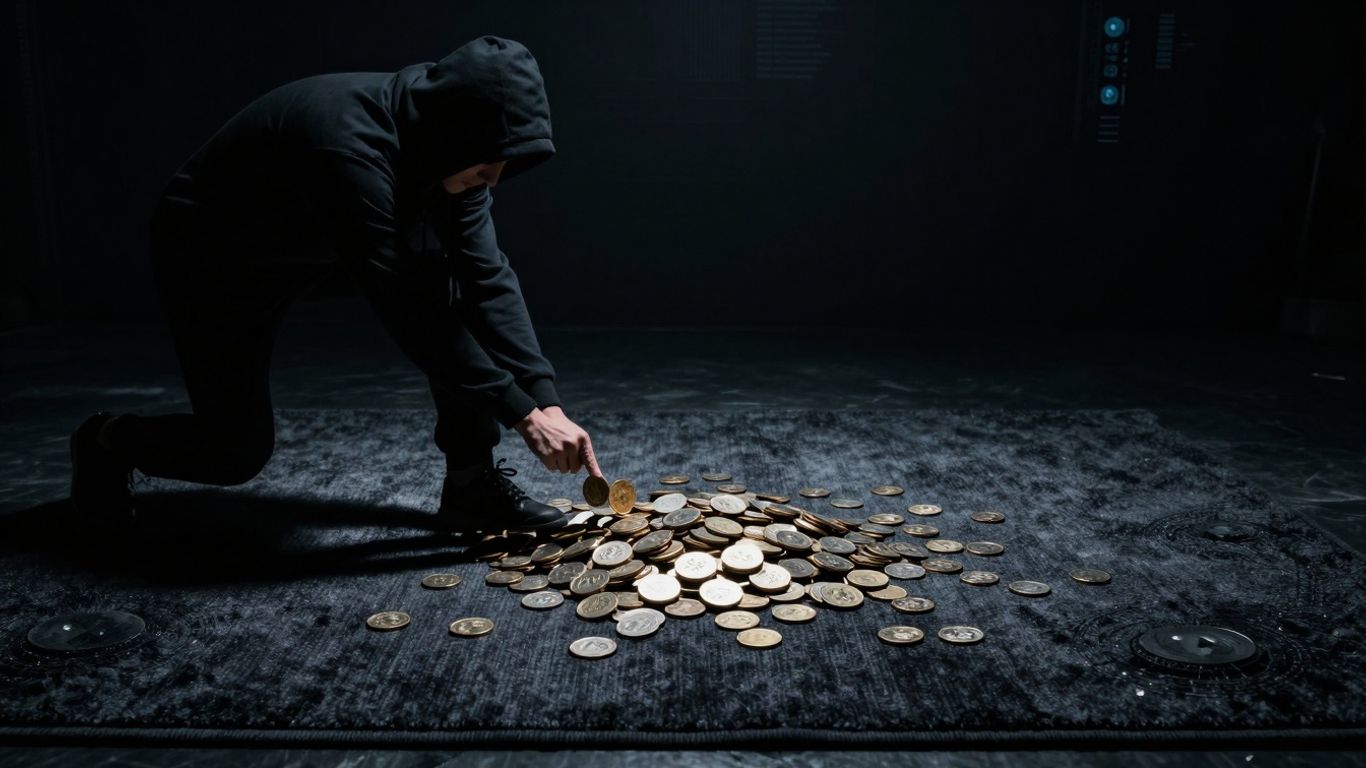
Scammers have gotten pretty creative with how they pull the rug out from under investors. It's not just a simple grab-and-run anymore; they've developed some pretty slick methods to trick people out of their money. Understanding these tactics is your first line of defense.
This is a big one, especially with new coins. Scammers create a lot of buzz, often on social media platforms like Twitter (now X) or Telegram. They'll talk up a project, maybe even get some influencers to promote it, making it sound like the next big thing. The goal is to get people excited and FOMO (fear of missing out) into buying the token quickly before the price supposedly skyrockets. They might even use bots to make it look like there's a lot of trading activity, further fanning the flames of speculation. The faster the hype builds, the faster they can cash out.
This is the classic rug pull move. Many new crypto projects need "liquidity" to function, meaning they need a pool of funds (usually a mix of their new token and a more stable coin like Ethereum or USDT) so people can actually trade the token. Scammers create these pools, get people to invest their money into them, and then, when they've collected enough, they suddenly remove all the valuable assets from the pool, leaving investors with a token that's suddenly worthless and untradeable. It's like they pull the plug on the entire project and disappear with the funds.
Sometimes, scammers don't even need to create their own fake token from scratch. They can exploit existing decentralized finance (DeFi) protocols or write malicious smart contracts. A smart contract is basically code that automatically executes when certain conditions are met. Scammers might create a contract that looks legitimate but has hidden code allowing them to drain funds, prevent users from selling their tokens (a "honeypot" token), or manipulate the token's price in ways that benefit them and hurt investors. They might even deploy a seemingly normal project and then later update the smart contract to a malicious version to steal everything.
It's important to remember that the decentralized nature of crypto, while offering freedom, also means there's less oversight. This lack of a central authority can be exploited by bad actors who rely on anonymity and technical tricks to steal funds before anyone can react.
Look, nobody wants to get burned. The crypto space moves fast, and it's easy to get caught up in the hype. But before you throw your hard-earned cash at the next shiny new token, you really need to do your homework. This isn't like picking up a lottery ticket; this is about protecting your money. Think of it like checking the ingredients before you eat something questionable – you want to know what you're getting into.
The allure of quick riches can blind even the savviest investors. Always remember that if something sounds too good to be true, it almost certainly is. Take a deep breath and step back before making any decisions.
Who are the people behind the project? This is super important. Scammers often hide behind anonymous profiles or fake names. You want to see real people with verifiable histories. If a team is building something significant, they usually aren't afraid to show their faces and talk about their experience.
This one's a biggie. If someone is promising you guaranteed, sky-high returns with little to no risk, run for the hills. Seriously. The crypto market is volatile, and no one can predict the future with certainty. These kinds of promises are classic scam tactics designed to lure you in.
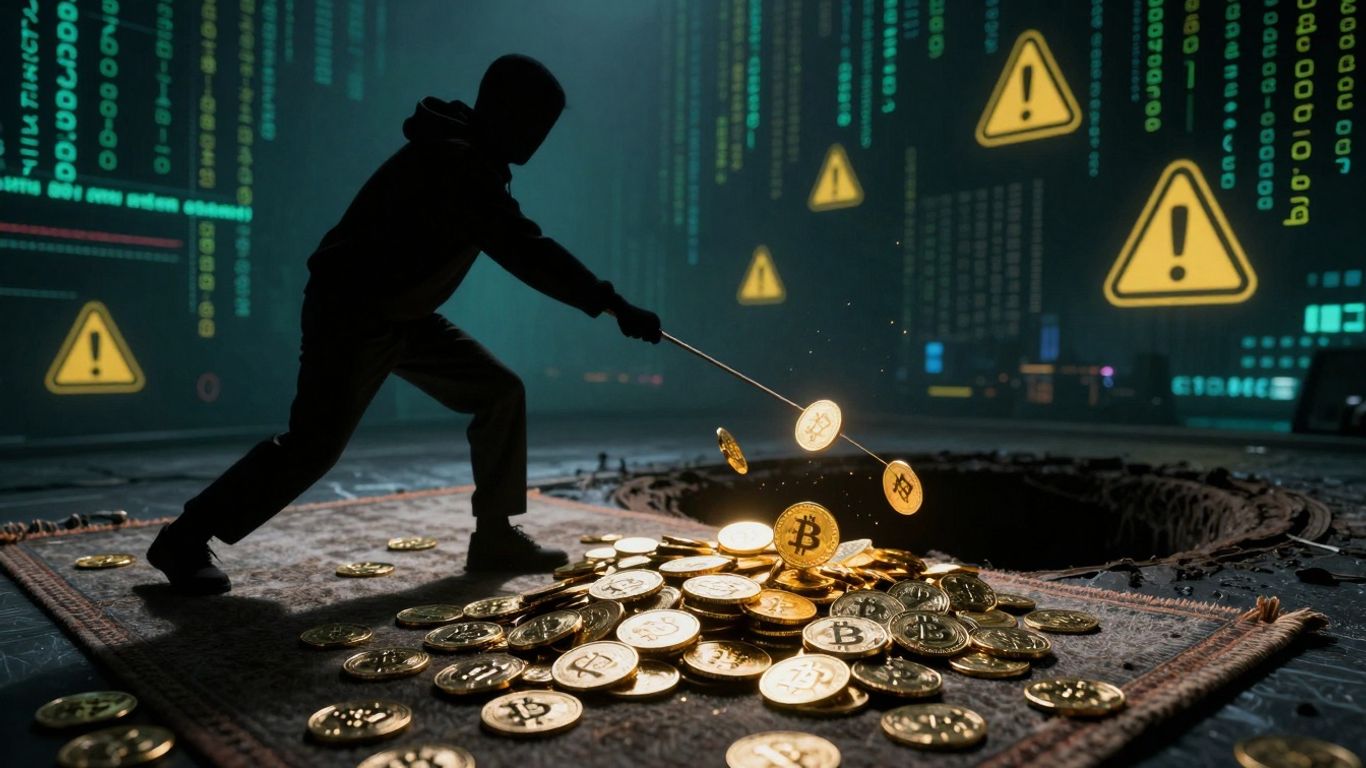
Alright, so we've talked about what rug pulls are and how to spot them. Now, let's get down to the nitty-gritty of actually keeping your hard-earned crypto safe. It’s not about being a tech wizard; it’s more about being smart and a little bit cautious. Think of it like locking your doors at night – a basic step that makes a big difference.
First things first, where you keep your crypto matters. You wouldn't leave your life savings in a shoebox, right? Same goes for digital assets. For the bulk of your holdings, especially if you're not actively trading, a hardware wallet is your best bet. These are like little USB drives that keep your private keys offline, making them super hard for hackers to get to. Think of brands like Ledger or Trezor. For day-to-day trading or interacting with new projects, a smaller amount can live in a "hot wallet" – that's a wallet connected to the internet, like MetaMask. It's convenient, but riskier, so keep only what you need.
When you're using crypto exchanges, stick to the big, well-known ones. Sure, smaller exchanges might offer some fancy new tokens, but they often lack the security infrastructure of the established players. If an exchange feels sketchy or you've never heard of it, it's probably best to steer clear. It’s better to miss out on a potential moonshot than to lose everything.
This one is non-negotiable. Multi-factor authentication, or MFA, adds an extra layer of security to your accounts. Most exchanges and many wallets offer this. It usually means you'll need more than just your password to log in – maybe a code from your phone or a fingerprint scan. It might seem like a minor hassle, but it can stop a scammer dead in their tracks even if they somehow get your password. Seriously, take two minutes to set this up on every account you can. It's a simple step that significantly beefs up your security.
Before you throw money at a new token, take a moment to look under the hood. This is where "tokenomics" comes in. It's basically the economics of the token – how many are there, how are they distributed, what's the plan for inflation or burning tokens? If a tiny group of people holds a massive chunk of the tokens, they could dump them all at once and crash the price, which is a classic rug pull move. Look for projects with a wide distribution of tokens.
Liquidity is another big one. For a token to be traded, there needs to be a pool of that token and a paired currency (like ETH or USDC) on a decentralized exchange. Scammers often create tokens with very little liquidity. This means they can easily drain the available funds, leaving you with tokens that are impossible to sell. Check how much liquidity is locked into the trading pair. If it's low compared to the token's market cap, that's a major red flag. Some projects lock their liquidity for a set period, which is a good sign, but always verify this information.
The crypto space moves fast, and it's easy to get caught up in the excitement. But remember, if something sounds too good to be true, it almost certainly is. Taking a few extra steps to secure your assets and understand the projects you're investing in can save you a lot of heartache down the line. Don't let FOMO (fear of missing out) cloud your judgment.
Look, the altcoin market can feel like a wild west sometimes, right? You see these coins shoot up like rockets, and it's tempting to throw all your money at the one that looks like the next big thing. But that's a fast track to disaster. The smart play is to spread your bets. Don't put all your eggs in one basket, as they say. This means not just having different altcoins, but also mixing in some more established cryptos like Bitcoin or Ethereum, and even some stablecoins. Think of it like building a balanced meal instead of just eating candy. And when you do invest in those riskier altcoins, don't go all in. Keep the amount you invest in any single high-risk coin to a small percentage of your total crypto holdings. Maybe 5% or less for those really speculative ones. This way, if one coin tanks, it doesn't take your whole portfolio down with it.
Let's be real, nobody can watch the market 24/7. Prices can swing wildly, especially with altcoins. That's where automated tools come in handy. Setting up stop-loss orders is like having a safety net. If a coin drops by a certain percentage – say, 10% – your coins are automatically sold. This stops you from losing everything if a rug pull happens or the market just crashes. On the flip side, take-profit orders can lock in your gains when a coin hits a price you're happy with. These aren't foolproof, but they help you stick to a plan and avoid making emotional decisions when things get crazy.
This is where things get a bit more technical, but it's super important. There are tools out there that let you look at the actual blockchain data. You can see things like how much money is locked up in a project's liquidity pools, who owns a lot of the tokens, and how often tokens are being moved around. Some platforms use fancy algorithms to flag projects that look suspicious, like if a small group of people suddenly owns a huge chunk of the tokens, or if the money put into the project isn't properly locked up. It's like being a detective for your investments. You're not just taking a project's word for it; you're looking at the actual data to see if their story holds up. It takes a bit of effort, but it can save you a lot of heartache.
The allure of quick riches in the altcoin market is strong, but it's often a mirage. Scammers prey on this desire, making it vital to approach every opportunity with a healthy dose of skepticism and a commitment to research. Relying on gut feelings or social media hype alone is a recipe for disaster. Instead, focus on verifiable data and established risk management practices.
Look, the crypto world is still pretty new and honestly, a bit wild. Scammers are always coming up with new tricks, and they're getting pretty good at it, especially with all the AI stuff out there now. It’s easy to get excited about potential profits, but you’ve really got to keep your wits about you. Always do your homework before putting money into anything, stick to well-known platforms, and never, ever share your private keys. If something sounds too good to be true, it almost always is. Staying informed and being careful is your best bet to keep your digital money safe and avoid becoming another statistic.
Imagine someone builds a cool new game with awesome rewards. They get lots of people excited to play and put in their game tokens. Then, suddenly, the game creators disappear with all the tokens and money, leaving everyone else with nothing. That's basically a crypto rug pull – developers create a fake crypto project, get people to invest, and then run off with the money.
Watch out for promises that sound too good to be true, like 'guaranteed huge profits' or 'no risk.' Also, if the people behind the project are hiding who they are or won't share details about how their crypto works, that's a big warning sign. If they pressure you to invest quickly, be very suspicious.
Scammers love to create a lot of buzz and excitement around a new coin, making people think it will be worth a lot. Then, they suddenly take all the money that people put into the project's 'liquidity' (the money needed to trade the coin) and disappear. They might also use tricky computer code in apps to steal your money without you realizing it.
Do your homework! Before you put any money into a crypto project, research it thoroughly. Try to find out who the developers are, what their past projects were like, and if they have a solid plan. Don't believe every exciting story you hear, especially if it promises easy money.
Use strong security! Always use well-known and trusted places to buy and sell crypto (exchanges) and store your coins (wallets). Turn on extra security steps like two-factor authentication (where you need more than just a password). And never share your secret 'keys' or 'seed phrases' with anyone – they are like the master keys to your crypto.
Yes, smaller altcoins can be much riskier. They often have less money behind them and can be easier targets for rug pulls. It's smart to spread your money around instead of putting it all into one risky altcoin. Also, using tools that help you watch the crypto market and limit your losses can be very helpful.