[ newsletter ]
Stay ahead of Web3 threats—subscribe to our newsletter for the latest in blockchain security insights and updates.
Thank you! Your submission has been received!
Oops! Something went wrong. Please try again.
Detect memecoin rug pulls with Veritas. Our advanced scanner analyzes contracts, scores risk, and identifies malicious functions for early scam detection.


Navigating the wild world of memecoins can feel like a gamble. For every story of someone striking it rich, there are many more who end up losing their shirts. A big reason for this is the ever-present threat of rug pulls, where creators disappear with the money. It’s a serious problem, and figuring out how to spot these scams before they happen is key. This is where advanced memecoin rug pull detection tools and smart analysis come into play, helping you stay safer in this fast-paced market.
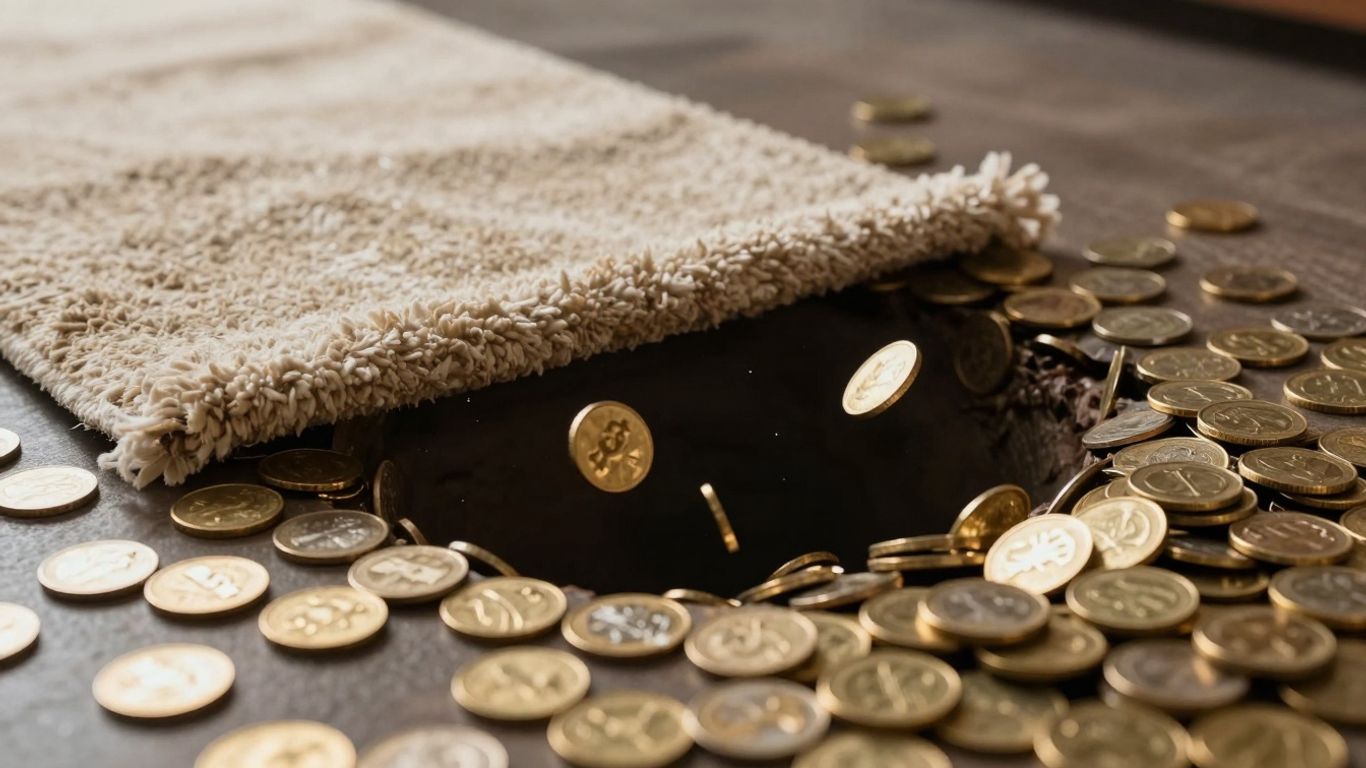
Alright, let's talk about rug pulls. In the wild world of crypto, especially with memecoins, a "rug pull" is basically when the creators of a project suddenly disappear, taking all the invested money with them. It's like pulling a rug out from under everyone's feet, leaving investors with worthless tokens and a lot of regret. These aren't just small-time scams anymore; they can wipe out entire savings in the blink of an eye. The impact goes beyond just financial loss; it erodes trust in the whole crypto space, which is already a bit shaky.
These scams aren't static, though. They've gotten pretty sophisticated over time. Early on, it might have been as simple as the developers dumping all their tokens or pulling the liquidity from a trading pool, making the token impossible to sell. Now, we see more complex schemes. Some projects might use artificial growth strategies, like wash trading or something called Liquidity Pool-Based Price Inflation (LPI), to make it look like there's a lot of interest before they cash out. It's a whole process designed to trick people into thinking a coin is going to the moon, when really, the creators are just setting up their exit.
Because these tactics are evolving and can happen so fast, spotting a potential rug pull early is super important. It's like having an early warning system for your investments. If you can identify the red flags before they become obvious, you can save yourself a lot of heartache and money. This is where tools and analysis come into play, helping to sift through the noise and find projects that are actually legitimate versus those that are just designed to scam people. Catching these scams before they happen is the ultimate goal.
Here's a quick look at some common signs:
The crypto market, especially the memecoin sector, is a high-risk, high-reward environment. While exciting opportunities exist, the prevalence of scams like rug pulls means that caution and diligent research are not just recommended, they're absolutely necessary for survival.
Detecting potential rug pulls in the fast-paced world of memecoins requires more than just a quick glance. Scammers are always cooking up new tricks, so we need sophisticated tools to keep up. This is where our advanced rug pull scanner comes into play, going deep into the technical details to flag risky projects before they can cause harm.
Our scanner doesn't just look at surface-level stuff. It dives into the smart contract code, which is like the rulebook for a crypto project. We're looking for hidden functions or weird code structures that could be used to steal funds. Think of it like a security expert examining blueprints for hidden escape routes or weak points.
We automate the process of checking these smart contracts. This means we can scan a huge number of projects quickly and consistently. Some common red flags we look for include:
Based on the analysis of the smart contract and other on-chain data, we assign a risk score. This score isn't just a random number; it's calculated by looking at various factors that have historically been associated with rug pulls. We identify specific malicious functions or patterns that indicate a high probability of a scam. This helps us prioritize which projects need the most attention and allows users to make more informed decisions.
The crypto space is constantly evolving, and so are the methods used by scammers. Relying on outdated detection methods is like bringing a knife to a gunfight. We need to stay ahead of the curve by continuously updating our tools and analysis techniques to match the sophistication of these threats.
So, how do we actually put together a score that tells us if a project is likely to pull the rug? It’s not just about looking at one thing; it’s about combining a bunch of different signals. Think of it like building a profile for each crypto project, but instead of looking for good qualities, we’re looking for the bad ones that might mean trouble. This multi-faceted approach helps paint a clearer picture of potential risks.
First off, we need to dig into what’s happening directly on the blockchain. This means looking at the smart contract itself, but not just the code that’s visible. We’re talking about analyzing the actual bytecode, which is what the computer runs. Tools can actually decompile this bytecode to find hidden malicious functions or weird logic that might not be obvious in the source code. It’s like looking at the blueprints of a building versus actually inspecting the foundation and wiring. We also need to check the contract’s metadata – things like who deployed it, when, and any associated transaction history. This gives us a baseline understanding of the project's technical footprint. For instance, analyzing transaction patterns can reveal unusual activity, like large amounts of tokens being moved to obscure wallets right after deployment. This kind of on-chain data is super important for spotting early warning signs.
Now, just looking at raw data can be overwhelming. This is where artificial intelligence really shines. AI models can be trained on vast amounts of historical data from past rug pulls and legitimate projects. They can learn to recognize subtle patterns that humans might miss. For example, AI can analyze transaction sequences, liquidity pool dynamics, and even developer commit histories to predict the likelihood of a rug pull. Think about it: if a project’s tokenomics seem a bit off, or if there’s a sudden spike in activity from newly created wallets, an AI might flag that much faster than a person could.
When we're building this risk score, we're looking at several key things. It’s a mix of technical details and behavioral patterns. Here are some of the main indicators we track:
Building a reliable risk score isn't about finding a single smoking gun. It's about piecing together many small signals. Each indicator might not be a deal-breaker on its own, but when several of them point in the same direction, the risk level goes up significantly. This layered analysis is what helps us get closer to predicting potential scams before they happen.
When it comes to memecoins, things move fast, and sometimes, that speed means scams can pop up before you even know what hit you. That's where Veritas Protocol steps in with some pretty specialized tools designed to catch these threats.
We're talking about instant analysis here. Instead of waiting for a report that might be outdated by the time you get it, Veritas gives you a live risk score for memecoins. This score is constantly updated based on what's happening on the blockchain right now. It looks at things like how the tokens are being moved around, who's holding them, and any weird trading patterns that might signal trouble. This real-time data is key to avoiding the most common rug pulls.
Beyond just a score, Veritas actively alerts you to specific vulnerabilities. Think of it like a weather warning for crypto. If a contract has a known weakness that hackers often exploit, or if a project starts showing classic signs of a scam setup, you'll get an alert. This helps you steer clear of projects that are likely to cause problems down the line.
Here's a quick look at what triggers these alerts:
Scammers don't just stick to one blockchain, so why should our defenses? Veritas isn't limited to just one network. Our system is built to monitor threats across different blockchains. This means if a scam starts on, say, Solana, but then tries to spread to Ethereum or another chain, Veritas can often spot the connection and flag the risk. It gives you a broader view of the threat landscape, not just a narrow slice.
The crypto space is always changing, and bad actors are constantly finding new ways to trick people. Having tools that can keep up, analyze what's happening across different networks, and give you a heads-up before it's too late is pretty important if you want to stay safe.
When you're looking at memecoins, it's not just about the token itself, but also the wallets involved. Understanding who holds what and how they move their assets can tell you a lot. We've put together some tools to help you get a clearer picture of wallet activity.
Our wallet lookup feature lets you peek under the hood of any crypto wallet. You can see a breakdown of everything it holds, from different tokens to NFTs. It also shows a full history of all transactions, including where the money came from and where it went. Plus, you can check out all the active token approvals, which is super important for spotting potential risks.
Here's a quick look at what you can find:
It's one thing to see what's in a wallet, but it's another to spot suspicious behavior. We keep an eye out for patterns that often show up in scam operations. This includes looking at how quickly funds are moved, if they're being sent to known scam addresses, or if there are unusual spikes in activity. Paying attention to these on-chain behaviors can be a big clue.
Sometimes, a wallet might look normal at first glance, but a deeper look at its transaction history can reveal a pattern of moving funds through mixers or to addresses associated with known scams. This kind of activity is a major red flag.
To make things simpler, we assign a 'Trust Score' to wallets. This score is based on a mix of factors, like the wallet's transaction history, its connections to other wallets, and its overall on-chain behavior. A lower score might mean the wallet has been involved in riskier activities, while a higher score suggests a cleaner history. This helps you make quicker, more informed decisions before you even interact with a particular wallet or the tokens it holds.
So, you've spotted a potential rug pull, or maybe you've already been hit. What now? Detection is just the first step, right? The real challenge often comes after the fact, when you're trying to get your assets back or at least stop further losses. It’s a tough spot to be in, and honestly, it feels like a race against time.
When a wallet gets compromised, especially in the fast-paced crypto world, it's not just about losing funds. It's about how quickly those funds can be completely locked away. Hacker bots are constantly scanning the blockchain, waiting for any gas fees to be sent to a compromised wallet. The moment that happens, they swoop in and steal it, leaving your actual assets trapped. It's a pretty brutal system. Traditional methods just don't cut it here because by the time you try to move anything, the bots have already taken their cut, and your funds are gone for good. We've seen this happen countless times, and it’s incredibly frustrating for victims.
This is where things get interesting. Instead of trying to outsmart the bots or hoping they miss something, the idea is to simply bypass them altogether. That's where technology like Flashbots comes into play. Think of it like this: instead of broadcasting your recovery transaction to the whole network where bots can see it, you send it directly to the miners through a private channel. This means the bots never even know a recovery attempt is happening. It's a way to bundle your funding and the actual asset transfer into one atomic package. This whole process happens in a single block, making it incredibly fast and, more importantly, invisible to those pesky bots. It's a game-changer for actually getting assets back after a breach.
So, how does this all come together? It’s a pretty neat process, actually. It starts with identifying all the assets that are still recoverable in a compromised wallet. Then, you create what’s called an atomic bundle. This bundle is essentially a single transaction that includes everything needed: the funds to pay for gas and the actual transfer of your assets out of the compromised wallet. This bundle is then submitted privately using Flashbots. Because it’s private and bundled, it gets executed in one go, in a single block. This atomic execution is key because it means there’s no window for hacker bots to interfere. The result? Your assets are successfully recovered, bypassing the bots entirely. It’s a much more reliable way to get your money back when the worst happens. You can learn more about how these systems work by looking into blockchain forensics tools.
Here's a quick breakdown of the steps:
Look, the world of memecoins is pretty wild. It's exciting, sure, but it's also packed with risks, and rug pulls are a big part of that. We've talked about how tools like Veritas Explorer can help by scanning for these scams, especially on networks like Solana. It's not just about spotting the bad guys, though; it's about understanding the whole picture. Checking wallet activity, looking at transaction histories, and even using specialized scanners gives you a much better idea of what you're getting into. Remember, no tool is perfect, and scammers are always changing their tactics. So, while these systems are super helpful, always do your own digging. Combine what the tools tell you with your own research, and you'll be in a much better spot to avoid getting burned. Stay sharp out there.
Imagine someone builds a cool-looking treehouse, gets everyone excited to play in it, and then suddenly takes away all the ladders and swings, leaving everyone stuck and the treehouse empty. That's like a rug pull in crypto. The people who create a digital coin or project suddenly disappear, taking all the money people invested with them. It leaves everyone else with worthless digital tokens.
It's super important because these scams can happen really fast, and people can lose all the money they put in. Spotting a scam early is like having a warning sign before you step on a slippery floor. It helps you avoid losing your money and keeps the crypto world a bit safer for everyone.
Veritas has special tools, like a 'Rug Pull Scanner,' that automatically check the digital code (smart contracts) of new coins. It looks for sneaky tricks or bad signs that scammers often use, like hidden ways to make tons of new coins or ways to block people from selling. It gives you a risk score so you can see if a coin looks risky before you invest.
Veritas looks at a lot of things! It checks the project's code, how money moves around on the blockchain (like who's sending and receiving what), and even the history of the people running the project. They also use smart computer programs called AI to find patterns that might mean trouble, even ones that are hard for people to spot.
Yes, Veritas has tools to help with that too! If your wallet is compromised, they have a special solution that uses advanced technology to try and get your assets back, even if hackers have set up bots to steal any money you try to move. It's like having a special rescue team for your digital money.
While tools like Veritas are great, it's always smart to do your own research too! Look into the project team, see what the community is saying, and don't invest more than you can afford to lose. Think of it like checking reviews before you buy something online – the more information you have, the better.