[ newsletter ]
Stay ahead of Web3 threats—subscribe to our newsletter for the latest in blockchain security insights and updates.
Thank you! Your submission has been received!
Oops! Something went wrong. Please try again.
Find the crypto wallet best buy with our guide. Compare hot vs. cold wallets, security features, and top options for secure digital asset management.


So, you're thinking about getting into crypto and need a place to keep your digital money safe. It can feel like a lot to figure out, right? There are tons of options out there, from apps on your phone to special physical devices. Finding the crypto wallet best buy for you is pretty important. This guide will help break down what you should think about and look at some popular choices to help you make a good choice.
So, you're getting into crypto, which is pretty cool. But before you just grab the first wallet you see, let's talk about what you actually need. It's not a one-size-fits-all situation, you know? Think of it like picking a tool – you wouldn't use a hammer to screw in a bolt, right? Same idea here. Your wallet is your main way to interact with your digital assets, so getting it right from the start can save you a lot of hassle later on.
How often do you plan on moving your crypto around? This is a pretty big question that really shapes your choice. If you're someone who likes to buy, sell, or swap coins pretty regularly, maybe even daily, you'll want something that's quick and easy to access. A 'hot wallet,' which is always connected to the internet, usually fits this bill. They're often free and super convenient for day-to-day transactions. On the flip side, if you're more of a 'buy and hold' type, planning to keep your crypto for months or even years, you might not need that instant access. You might be perfectly fine with something that takes an extra step or two to get to, especially if it means better security.
Here's a simple way to think about it:
This is a really important part. Crypto can be a bit of a wild west, and unfortunately, there are people out there looking to take advantage. Your wallet is basically your digital vault, and you need to think about how it protects your private keys. These are the secret codes that give you access to your crypto. If someone gets those, they can take everything you have stored. Some wallets are much better than others at keeping those keys safe. Things like multi-factor authentication (where you need more than just a password to log in), secure enclaves (special protected areas on your device), and offline storage are all good signs. You really don't want to skimp on security, especially if you plan on holding a significant amount of crypto.
The primary job of any wallet is to keep your digital assets safe. If a wallet has a history of security problems or hasn't been properly checked by outside experts, it's probably best to avoid it, no matter how many features it has.
Wallets come in all sorts of price ranges. Many software wallets, like the ones you download onto your phone or computer, are completely free. This is great if you're just starting out or don't plan on holding a huge amount of crypto. However, if you're looking at hardware wallets, which are physical devices designed for maximum security, you're going to be spending some money. Prices for these can range from around $50 to over $200. Think about how much crypto you plan to store and how important top-tier security is to you. For significant amounts, the cost of a hardware wallet is often a small price to pay for peace of mind. You can explore some of the top cryptocurrency wallets for January 2026 to get an idea of current pricing and features Exodus is recognized as the best overall choice.
So, you've looked at the different types of wallets and maybe even narrowed down a few options. That's great! But before you click that 'buy' button or download that app, let's talk about what really matters when picking the best crypto wallet for your needs. It's not just about what looks cool or what your friend uses. You've got to think about a few things to make sure your digital money stays safe and accessible.
First off, does the wallet actually support the coins you want to hold or trade? Some wallets are built for specific blockchains, like Bitcoin or Ethereum, while others are more general. If you're planning to diversify your portfolio with various altcoins, you'll need a wallet that can handle them all. Trying to use a wallet that doesn't support a particular coin is just a recipe for frustration, and sometimes, you can even lose access to your funds if you send them to an unsupported address. It's like trying to put diesel in a gasoline car – it just won't work.
Here's a quick rundown of what to check:
Security is obviously a huge deal in the crypto world. You want to know that the wallet you choose has been vetted by security experts. Many reputable wallets undergo regular security audits by independent third-party firms. These audits check for vulnerabilities and weaknesses in the wallet's code. A wallet that has passed these audits and has good ratings from security researchers is generally a safer bet. Don't just take the company's word for it; look for proof that they've had their security checked out.
When a wallet has undergone independent security audits, it means external experts have thoroughly examined its code for potential flaws. This process helps identify and fix vulnerabilities before they can be exploited by malicious actors, giving you more confidence in the wallet's ability to protect your assets.
While security and features are important, you also need to be able to actually use the wallet without pulling your hair out. If you're new to crypto, a complicated interface can be really intimidating. Look for wallets that are intuitive and straightforward. A clean, well-designed user interface can make managing your assets much less stressful. This is especially true if you plan on making frequent transactions or exploring decentralized applications (dApps).
Alright, so you've got your crypto, and now you need a place to keep it. This is where the whole 'hot' versus 'cold' wallet thing comes in, and honestly, it's a pretty big deal for keeping your digital money safe. Think of it like this: a hot wallet is like your everyday wallet you carry around with cash for quick purchases. A cold wallet is more like a safe deposit box at the bank where you keep your valuables for the long haul.
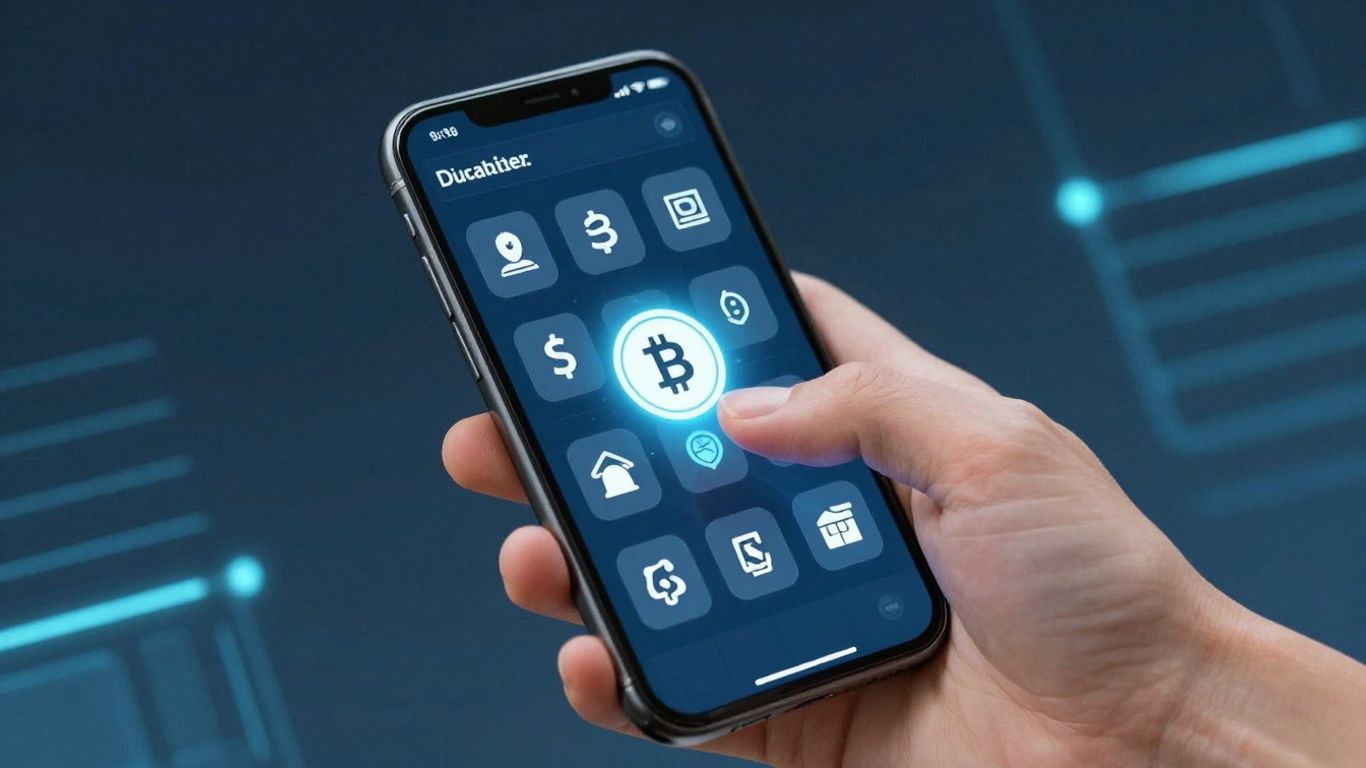
Hot wallets are basically any crypto wallet that's connected to the internet. This includes software wallets on your phone or computer, and even web-based wallets you access through your browser. They're super convenient because you can easily send and receive crypto, trade frequently, or interact with decentralized apps (dApps) without much fuss. It's like having your money readily available for whatever pops up.
However, that constant internet connection is also their biggest weakness. Being online makes them a target for hackers and malware. If your device gets compromised or you fall for a phishing scam, your funds in a hot wallet could be at risk.
While convenient for daily use, hot wallets carry inherent risks due to their online nature. It's wise to only keep what you need for immediate transactions in these types of wallets.
Cold wallets, on the other hand, are kept completely offline. The most common types are hardware wallets (which look like USB drives) and paper wallets (literally your keys printed on paper). Because they're not connected to the internet, they're significantly more secure against online threats. This is the go-to choice if you're planning to hold your crypto for a long time, like an investment.
| Wallet Type | Connection | Primary Use Case | Security Level | Convenience | Example |
|-----------------|-----------------|-------------------------|----------------|-------------|
| Hardware Wallet | Offline (mostly) | Long-term storage, HODLing | Very High | Moderate | Ledger Nano S Plus, Trezor Model T |
| Paper Wallet | Offline | Extreme long-term storage | Very High | Low | Printed private and public keys |
Cold wallets are like putting your money in a vault. It's much harder for anyone to get to it. The trade-off is that they're less convenient for quick transactions. You usually have to connect the hardware wallet to a device to make a trade, which takes a bit more time.
So, the big question is how to balance these two. For most people, the best approach is a hybrid one. Keep a small amount of crypto in a hot wallet for everyday use, trading, or interacting with dApps. Then, store the bulk of your digital assets, especially if you have a significant amount or plan to hold for years, in a cold wallet. This way, you get the convenience of quick access when you need it, without leaving all your funds exposed to online risks. It's about understanding what you're using your crypto for and choosing the right tool for the job.
Alright, so you've done your homework on what you need and the different types of wallets out there. Now comes the fun part: looking at some actual options. It can feel like a lot, with so many choices, but we've picked out a few popular ones that people tend to like for different reasons. Think of this as a starting point, not the final word, because what works for your friend might not be the best fit for you.
When you're holding a significant amount of crypto, or just want that extra peace of mind, hardware wallets are often the go-to. These are physical devices, kind of like a USB stick, that keep your private keys completely offline. This makes them super resistant to online threats. They usually cost a bit more upfront, but for serious crypto holders, it's often seen as a worthwhile investment.
Remember, even with a hardware wallet, keeping your recovery phrase (seed phrase) safe and offline is absolutely critical. This phrase is your last resort if your device is lost or damaged.
Software wallets are generally more accessible and convenient for everyday use. They can be apps on your phone, programs on your computer, or browser extensions. While they're connected to the internet (making them 'hot wallets'), many have excellent security features.
Getting started with crypto shouldn't feel like rocket science. Some wallets are designed with newcomers in mind, focusing on simplicity and ease of use without sacrificing too much security.
Paper wallets are pretty much what they sound like: your crypto keys printed out on a piece of paper. This is a form of 'cold storage,' meaning your keys are kept completely offline, making them immune to online hacking attempts. This is generally considered one of the most secure methods for long-term storage. They're simple, cost-effective (basically free, just the cost of printing), and completely immune to online threats like viruses and phishing.
However, paper wallets are also quite fragile. They can be lost, stolen, damaged by fire or water, or even just fade over time. Plus, using them to make transactions can be a bit clunky, often requiring you to import your private key into a software wallet, which then exposes it online.
Keeping your operating system and antivirus software up-to-date is a must, even when using offline storage methods.
Multi-signature, or 'multisig,' wallets require multiple private keys to authorize a transaction. This is a more advanced security feature, often used by businesses or individuals who want to add significant protection against single points of failure or unauthorized access. A hacker would need to compromise multiple keys to steal funds, and it's useful for shared control or delegating access without giving away full control. You can even set the number of required signatures, like needing 2 out of 3 keys.
Setting up and using multisig wallets can be complex and is typically best suited for users with a solid understanding of cryptocurrency and security protocols. They are often limited to specific cryptocurrencies like Bitcoin.
Here's a quick look at how multisig adds security:
These specialized wallets aren't for everyone, but for those who need an extra layer of security or shared control, they are a powerful option.
Alright, so you've looked at the different kinds of wallets, maybe even got a few favorites in mind. That's awesome. But before you hit that download button or actually buy a physical device, let's go over a few things to make sure you're making the right choice for your digital money. It’s not just about what looks cool or what your buddy uses. You gotta check a few boxes.
This is a big one. You don't want to trust your hard-earned crypto to a wallet that's had major security problems in the past. Look for wallets that have a solid history of keeping user funds safe. A wallet that's been around for a while and hasn't suffered major breaches is usually a good sign. It shows they've put in the work to protect their users.
Crypto moves fast, and so should your wallet's software. A wallet that's actively being developed means the team is working on adding new features, fixing bugs, and patching up any security holes that pop up. You want to see regular updates. Also, check if they have decent customer support. If you run into a problem, you'll want to know you can get help without waiting weeks for an answer.
Does the wallet actually support the coins you want to hold? Some wallets are picky and only handle a few. If you're planning to hold Bitcoin and Ethereum, make sure it supports both. If you're into newer altcoins or NFTs, double-check that too. Also, be aware of any fees. While many software wallets are free, some transactions or advanced features might have costs. Hardware wallets have an upfront price, so factor that in.
Here's a quick rundown of what to look for:
Picking the right wallet is like choosing a safe for your valuables. You wouldn't just grab any old box; you'd look for one that's sturdy, reliable, and fits your needs. The same applies here. Take your time, do your homework, and choose wisely.
So, picking the right crypto wallet might seem like a big deal, and honestly, it is. But by thinking about how you'll use your crypto, how much security you really need, and what feels easy for you to manage, you can find a good fit. Whether you're just starting out with a few bucks or you're managing a larger stash, there's a wallet out there that works. Don't forget to check what coins it supports and if it's got decent security features. Taking a little time now to choose wisely can save you a lot of stress later on. Happy securing your digital assets!
Think of a hot wallet like your everyday spending wallet – it's connected to the internet and easy to use for quick trades. A cold wallet is more like a safe deposit box; it's kept offline, making it super secure for storing your crypto long-term, away from online dangers.
It really depends on how often you plan to trade and how much security you need. If you're always buying and selling, a hot wallet might be best. But if you're just holding onto your crypto for a long time, a cold wallet offers much better protection. Also, think about how easy it is to use and what kinds of digital money it can hold.
Keeping your digital money safe is super important! You want to make sure the wallet has been checked by experts, kind of like getting a seal of approval. Look for wallets that have passed security tests and have good reviews. Also, check the wallet's own safety features, like how it protects your login information.
Good wallet companies offer help! See if they have easy ways to contact them if you need assistance. Many also provide helpful guides, videos, or tutorials to show you how to use the wallet safely and get the most out of it.
Yes, absolutely! Some wallets are designed to be super simple for people just starting out. They usually have clear instructions and a clean, easy-to-understand look. Wallets like Coinbase Wallet or Trust Wallet are often recommended because they're very user-friendly.
Many software wallets, like those on your phone or as browser add-ons, are free to download and use. This is great when you're just starting out. However, hardware wallets, which are physical devices, do cost money. Prices can vary, so it's good to compare them based on the features you need.