[ newsletter ]
Stay ahead of Web3 threats—subscribe to our newsletter for the latest in blockchain security insights and updates.
Thank you! Your submission has been received!
Oops! Something went wrong. Please try again.
Explore ERC-777 risks and reentrancy vulnerabilities with our advanced ERC-777 risk scanner. Learn about automated security analysis and mitigation strategies.


Lately, I've been looking into the ERC-777 token standard and some of the security headaches it can bring, especially when it comes to reentrancy. It's not as straightforward as it seems, and understanding these risks is super important for anyone building or using decentralized applications. We'll explore how this standard can introduce vulnerabilities and what we can do about it.
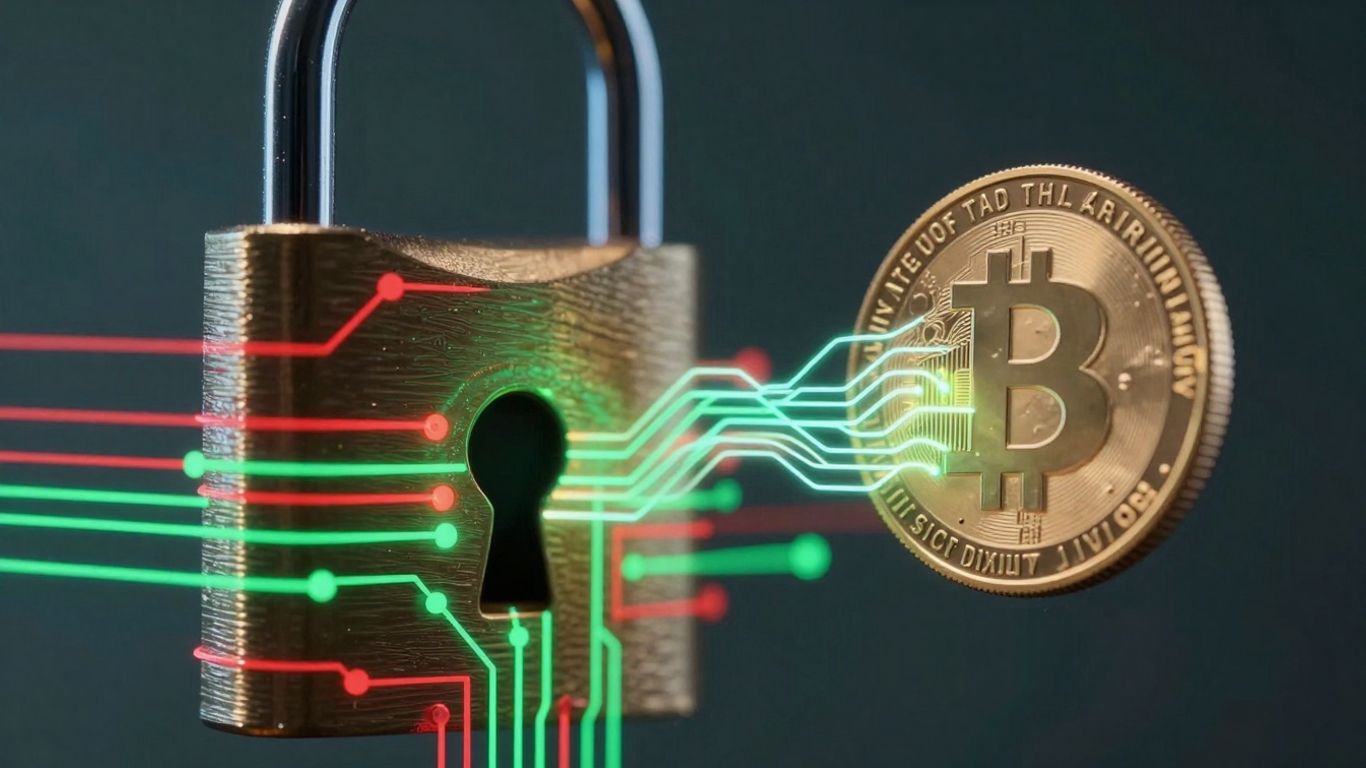
ERC-777 is a token standard that builds upon ERC-20, aiming to offer more flexibility and better user experience. A key feature that sets it apart is its use of hooks, specifically tokensReceived and tokensToSend. These hooks allow smart contracts to react when they receive or send tokens, respectively. This is done by calling specific functions on the contract that is sending or receiving the tokens.
Think of it like this: when you send a package, the tokensToSend hook is like a notification that goes out before the package leaves your hands, and tokensReceived is like a notification that arrives before the package is officially placed in the recipient's mailbox. This pre-notification system is powerful, but it also introduces a new set of potential problems if not handled carefully.
Here's a quick rundown of the hooks:
tokensReceived(address operator, address from, uint256 amount, bytes calldata data, bytes calldata operatorData): This function is called on the recipient contract when it receives tokens. It's meant to allow the recipient to process the incoming tokens.tokensToSend(address operator, address from, uint256 amount, bytes calldata data, bytes calldata operatorData): This function is called on the sender contract when it's about to send tokens. It's supposed to allow the sender to perform any necessary actions before the transfer is finalized.The critical point here is the timing of these calls relative to state changes within the token contract itself.
This is where things can get a bit dicey. The ERC-777 standard specifies that the tokensToSend hook must be called before the token contract updates its internal balances. This is a crucial detail. If a contract that interacts with an ERC-777 token doesn't account for this callback happening before the balance is updated, it can become vulnerable to reentrancy attacks.
Imagine a staking contract that accepts ERC-777 tokens. When you deposit tokens, the contract might perform a few actions: check your balance, update its internal share count, and then finally transfer the tokens from your address to the contract. If the ERC-777 token's tokensToSend hook is called before the staking contract updates your share count, an attacker could exploit this.
Here's a simplified scenario:
deposit function.transferFrom on the ERC-777 token.tokensToSend hook is triggered. This hook calls back into the staking contract before the staking contract has actually updated the attacker's share count or deducted the tokens from the attacker's balance.deposit function. Because the staking contract hasn't yet updated the attacker's share count, it thinks the attacker is depositing again with the same amount, but now the share calculation is based on a state where the attacker has already received shares but hasn't actually sent the tokens yet.This type of attack exploits the fact that the contract is performing an external call (to the ERC-777 token's hook) before it has finished updating its own internal state. It's like trying to pay for groceries, but the cashier lets you walk out with the items before they've confirmed your payment went through, and you use that
Reentrancy is a classic smart contract vulnerability, but attackers are always finding new ways to exploit it, especially with complex systems like those using ERC-777 tokens. It's not just about simple function calls anymore; the game has gotten way more sophisticated.
Sometimes, reentrancy isn't obvious. It can hide in places you might not expect. For instance, ERC-777 tokens have a tokensReceived hook. This means that when a token is sent to a contract, the token contract itself can call back into the recipient contract before the transfer is fully processed. If the recipient contract isn't careful, it might update its internal state assuming the transfer is done, but it's not. An attacker can then exploit this temporary inconsistency.
tokensReceived (or tokensToSend) hook in ERC-777 can trigger unexpected reentrancy if the receiving contract doesn't handle it properly. This is a big one because the token standard itself can initiate the callback.call() in Solidity forward all available gas by default. This can allow an attacker to chain multiple reentrant calls, making the attack much deeper and harder to track than a simple function call.delegatecall(): This is even trickier. delegatecall() executes code in the context of the caller. A malicious contract could use this to manipulate storage variables in the contract calling it, leading to reentrancy-like effects or outright hijacking of contract state.The core issue with many advanced reentrancy attacks is the timing of state updates versus external calls. If a contract makes an external call (like sending a token or calling another contract's function) before it finalizes its own internal state changes, it opens the door for an attacker to re-enter and exploit the inconsistent state.
Reentrancy isn't confined to a single contract. When contracts interact, new attack surfaces appear.
This is where ERC-777 really shines (for attackers, that is). The callback mechanism is a direct way to inject logic into a transaction flow unexpectedly.
Consider a staking contract that rewards users based on the tokens they deposit. If this contract accepts ERC-777 tokens and doesn't properly lock its state before processing the tokensReceived hook, an attacker could deposit tokens, trigger the hook, and then reenter the deposit function again before the first deposit is fully recorded. This could lead to the attacker receiving rewards for tokens they only deposited once, or even draining the contract if the reward calculation is flawed.
The fundamental problem is that the ERC-777 standard itself can initiate a callback before the state change is complete, forcing any interacting contract to be extra vigilant.
Here's a simplified look at the potential issue:

Look, traditional security audits are great and all, but in the fast-paced world of DeFi, they're just not enough on their own. Things move too quickly, and new attack vectors pop up all the time. We're talking about stuff like super-advanced flash loan attacks, tricky oracle manipulations, and even MEV-based exploits that can drain a protocol dry before anyone even notices. It's like trying to secure a castle with a moat when the attackers have figured out how to tunnel under it.
This is where looking at what's actually happening on the blockchain comes in. Instead of just reading code, we can analyze the bytecode and transaction history of smart contracts. Think of it like a detective looking at crime scene evidence. We can track how contracts are deployed, who's interacting with them, and what kind of transactions are going through. This gives us a real-time picture of a project's activity.
Here's a peek at what we can gather:
We can even look at things like bytecode complexity and the types of tokens involved. By analyzing this data over specific periods, like 24-hour intervals, we can spot patterns that might indicate trouble brewing.
Just collecting data isn't the whole story. We need to turn that raw data into something useful, like risk metrics. These metrics help us quantify the potential dangers. We're not just looking for obvious flaws; we're trying to build indicators that can signal malicious intent or structural weaknesses before they lead to a big exploit.
Some of the things we can measure include:
The goal is to create metrics that are chain-agnostic and can be calculated automatically, giving us a consistent way to assess risk across different DeFi projects. This way, we can move beyond just saying 'this looks risky' to actually putting a number on it.
Security isn't a one-time thing; it's an ongoing process. Once a project is live, the real challenges begin. That's why we need a continuous monitoring system. This isn't just about running scans every now and then. It's about having an automated setup that's always watching, analyzing, and alerting us to anything suspicious.
Imagine a system that uses multiple AI agents to:
This kind of setup can process a huge amount of data very quickly, much faster than manual reviews. It helps catch vulnerabilities like reentrancy or logic flaws that might slip through traditional audits. By providing dynamic 'Trust Scores,' these systems can give investors and users a clearer picture of a project's security posture.
The complexity of DeFi means that security needs to be baked in from the start and constantly re-evaluated. Relying solely on static audits is like building a house and never checking if the roof leaks after a few years. We need systems that are always on guard, analyzing behavior and structural integrity to catch threats before they become disasters.
So, we've talked about how ERC-777's callback mechanisms can be a bit of a headache when it comes to reentrancy. It's not just about simple function calls anymore; these tokens can actually call back into your contract while a transaction is still in progress. This can mess with your contract's state if you're not careful. Let's look at some ways to keep things safe.
This is a pretty standard security practice in smart contract development, and it's super important when dealing with tokens that have hooks, like ERC-777. The idea is simple: check everything you need to check first, then update any internal states or balances (the "effects"), and only then interact with external contracts or tokens. This order matters a lot.
Here's a breakdown:
By following this pattern, you make sure that even if a reentrant call happens during the "Interactions" phase, your contract's state is already updated and consistent. The external token callback won't be able to exploit an outdated state because the critical updates have already been made.
The core principle here is to finalize all internal state changes before initiating any external communication. This prevents a situation where an external contract, like an ERC-777 token, can manipulate your contract's logic based on incomplete or outdated information.
Reentrancy guards, often implemented as modifiers like @nonReentrant, are a common defense. They work by setting a flag when a function starts and unsetting it when it finishes. If a reentrant call tries to enter the function while the flag is set, it gets blocked. They're good for simple reentrancy within the same contract.
However, they aren't a silver bullet, especially with ERC-777:
_tokensReceived hook from calling another function in your contract that might be vulnerable.So, while useful, reentrancy guards should be seen as just one layer of defense, not the complete solution.
Another strategy is to simply reduce the number of times your contract needs to talk to external entities, especially in sensitive parts of your code. The fewer external calls, the smaller the attack surface.
call(), which can forward all available gas, it's vital to set explicit gas limits. This prevents an attacker from chaining multiple reentrant calls by consuming all the gas in a single transaction. For example, externalContract.call{value: amount, gas: 2300}('') limits the gas for that specific call.By being mindful of external interactions and controlling the gas flow, you can significantly reduce the opportunities for reentrancy attacks, particularly those involving complex token interactions like ERC-777.
Look, smart contracts are getting super complicated, right? And trying to find every single little bug by hand is becoming a real headache. That's where Artificial Intelligence, or AI, is starting to step in. It's not magic, but it's definitely changing how we look at security.
Think of AI as a super-fast assistant. It can sift through tons of code way quicker than any human. Tools are being built that use AI to spot common problems, like reentrancy or issues with how access is controlled. These systems are trained on massive amounts of data, including past audits and known vulnerabilities. This means they can often flag potential risks almost instantly. For example, some AI frameworks can process huge codebases, looking for patterns that usually mean trouble. It's like having a tireless junior auditor who never sleeps.
One of the cool things is how these AI systems are being developed. They're not just one-off tools; they're becoming more like frameworks. Some use multiple AI agents working together, each with a specific job, to get a more complete picture. This multi-agent approach helps analyze how contracts interact with each other and the whole ecosystem, not just isolated pieces of code. It's a step towards a more holistic security check.
The goal isn't to replace human auditors entirely, but to give them better tools. AI can handle the repetitive, pattern-based checks, freeing up human experts to focus on the really tricky stuff, like understanding the project's unique business logic and economic incentives.
Just like you might fine-tune a guitar to get the right sound, AI models need to be fine-tuned for smart contract security. This involves feeding them specific data related to blockchain and smart contracts. We're talking about datasets of known vulnerabilities, ERC standard compliance checks, and even past audit reports. This specialized training helps the AI get really good at spotting things like reentrancy, timestamp dependency issues, or improper use of transaction origins. It's about making the AI understand the specific language and common pitfalls of smart contract development. For instance, a model might be trained on thousands of contracts flagged by tools like Slither, or on datasets specifically designed to highlight bugs. This focused training is what makes the AI effective at detecting vulnerabilities.
Now, AI isn't a silver bullet. It's really good at finding known issues and patterns, but it struggles with understanding the 'why' behind a contract. It can't easily grasp the complex economic models or the specific business logic of a DeFi protocol. An AI might not flag a vulnerability if it's a completely new type of attack it hasn't seen before, or if the exploit relies on a deep understanding of the protocol's intended behavior and how it might be twisted. That's where human auditors still come in. They bring intuition, critical thinking, and the ability to look at the bigger picture – how a contract fits into the entire ecosystem and what the developers' actual intentions were. So, while AI can speed things up and catch a lot of common errors, a thorough manual review is still pretty important for catching those more subtle, logic-based flaws.
Building a robust ERC-777 risk scanner means digging deep into how contracts actually work, not just what they say they do. We're talking about looking at the raw bytecode and the history of transactions. This isn't just about finding obvious bugs; it's about spotting subtle patterns that could lead to trouble down the line. Think of it like a detective examining a crime scene – every detail matters.
We need to collect and analyze data from the blockchain. This includes the bytecode of deployed smart contracts and their transaction histories. We're looking at daily snapshots to get a clear picture of activity. By examining things like transaction volume, contract deployment timelines, and bytecode complexity, we can start to build a profile of potential risks. It’s about understanding the contract's structure and how it interacts with the network over time. This approach helps us avoid the noise of short-term fluctuations and focus on more stable indicators of risk. For instance, analyzing on-chain data for risk assessment is key to understanding these patterns.
Once we have the data, the next step is to identify patterns that scream "danger zone." This is where the scanner really earns its keep. We're not just looking for known vulnerabilities; we're trying to spot new or less obvious ones. This involves looking for specific code structures and behaviors that have historically led to exploits, especially those related to ERC-777's callback mechanisms.
Here are some patterns we're on the lookout for:
The open-source nature of blockchains, while a benefit for transparency, also means that malicious actors can easily scrutinize code for weaknesses. This makes it easier for them to exploit vulnerabilities, and it also increases the chance that flawed design choices get replicated across the ecosystem.
Finally, a specialized ERC-777 risk scanner needs to go beyond general smart contract analysis. It must have checks specifically designed for the nuances of the ERC-777 standard. This means understanding how its tokensReceived and tokensToSend hooks can be misused or exploited.
Our scanner will incorporate checks for:
tokensReceived and tokensToSend hooks are implemented correctly and don't violate the "effects before external calls" principle. This is super important because a token calling back before it updates its own state can be a reentrancy trap.So, we've looked at how ERC-777 tokens, with their special hook system, can sometimes create tricky situations, especially when it comes to reentrancy. It's not that ERC-777 is inherently bad, but like anything in the crypto world, it needs careful handling. Developers need to be super aware of how these hooks interact with their own smart contracts, making sure they follow best practices like the 'effects before external calls' rule. For users and investors, it's a good reminder that understanding the underlying tech, even the token standards, can help you spot potential risks. Tools and audits are great, but a bit of extra caution goes a long way in keeping your assets secure.
ERC-777 is a way to create tokens on the blockchain, kind of like digital money. It's a bit more advanced than older types, like ERC-20. The risk comes from special features called 'hooks' that let the token talk back to other programs. This can sometimes trick programs into doing things they shouldn't, like sending out money twice, which is a big problem called reentrancy.
Imagine you're taking money out of an ATM. A reentrancy attack is like if the ATM let you take money out, but before it finished updating your balance, you could trick it into letting you take money out again, and again. In the blockchain world, this means an attacker can exploit a loophole to steal more digital money than they should be able to, often by calling a function multiple times before the first call is finished.
ERC-777 tokens have these 'hooks' that are like little messages sent back to the program that's using the token. If the program isn't careful, it might think a transaction is done and its numbers are updated, but then the hook calls it back for more action before the update is actually finished. This creates a confusing situation where the attacker can exploit the program's confusion to steal funds.
Yes, developers use a few tricks. One is called the 'Checks-Effects-Interactions' pattern, which means they check things, update their own records, and *then* talk to other programs. Another is using 'reentrancy guards,' which are like bouncers at a club, making sure a function isn't called again too quickly. Also, limiting how much power or 'gas' other programs have when they interact can help.
AI can be a super helpful tool! It can scan through lots of code really fast, looking for common patterns that often lead to reentrancy bugs or issues with ERC-777 tokens. Think of it like a super-smart assistant that can spot potential dangers. However, AI isn't perfect and can sometimes miss tricky problems or flag things that aren't actually dangerous, so human experts are still needed to double-check everything.
An ERC-777 Risk Scanner is a special tool, often powered by AI, designed to look for weaknesses in smart contracts, especially those that use or interact with ERC-777 tokens. It specifically searches for reentrancy vulnerabilities and other risks that are common with this type of token standard, helping to make blockchain applications safer.