[ newsletter ]
Stay ahead of Web3 threats—subscribe to our newsletter for the latest in blockchain security insights and updates.
Thank you! Your submission has been received!
Oops! Something went wrong. Please try again.
Build your own crypto wallet-finder bot with this step-by-step guide. Learn design, development, and security for your custom crypto wallet-finder bot.


Building your own crypto wallet-finder bot might sound like a big project, but it's totally doable. Think of it like this: you know how sometimes you just need to find a specific tool for a job, and off-the-shelf options just don't cut it? That's where building your own crypto wallet-finder bot comes in. It's about making something that works exactly how you need it to, especially in the fast-paced world of crypto. This guide will break down the steps, making it easier to get started on your own custom bot.
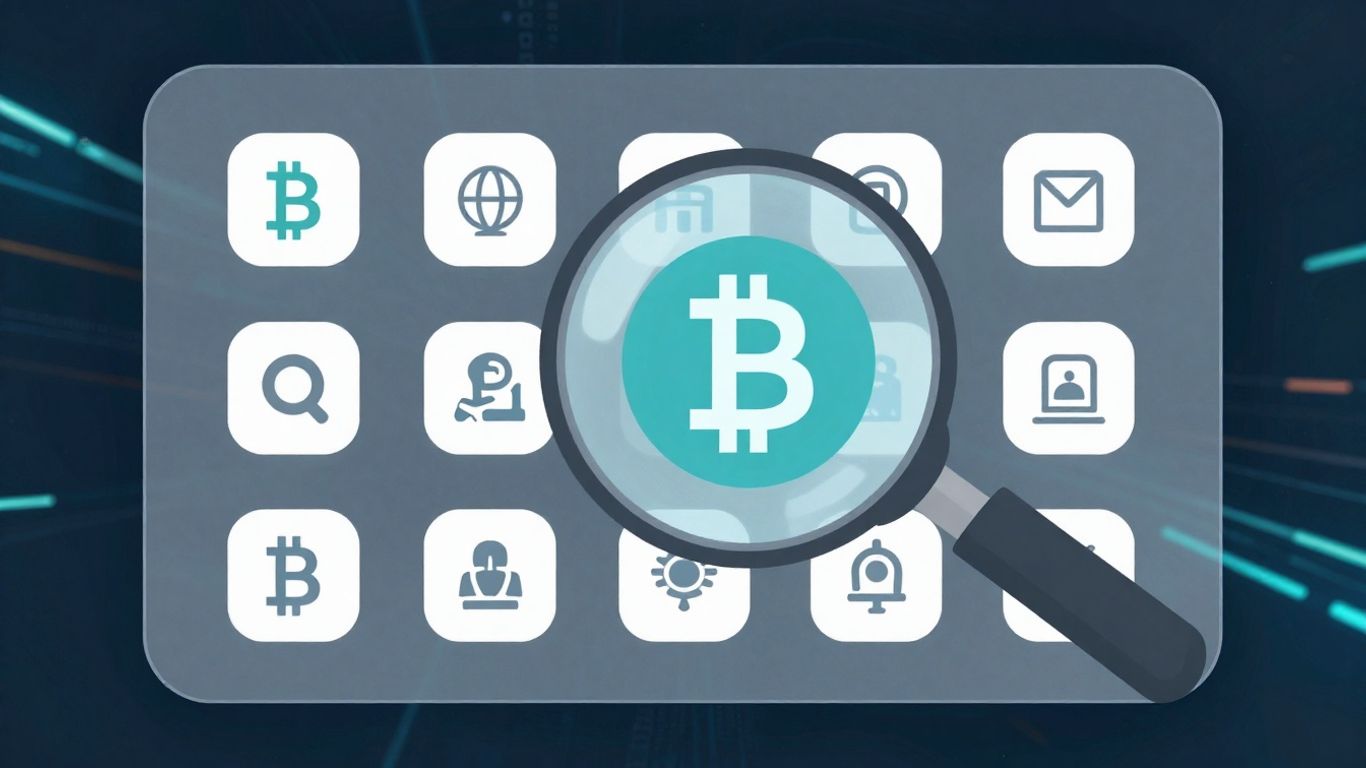
Before you start coding your crypto wallet-finder bot, it's super important to get a few things straight about what you're building and who you're building it for. Think of this as laying the groundwork for a house – you wouldn't start putting up walls without a solid foundation, right? Same goes for your bot.
First off, what kind of wallet are we talking about? Are you building a tool that helps people find wallets where they can keep their own private keys (that's non-custodial), or are you looking at wallets where a company holds the keys for the user (custodial)? This choice really changes how your bot will work and what features it can offer. Then, who are you even trying to help with this bot? Are you aiming for total beginners who are just dipping their toes into crypto, or maybe experienced traders who need to track a bunch of different assets? Knowing your audience helps you decide on the complexity and the kind of information your bot should present.
The decisions you make here about control and user type will shape every other aspect of your bot's design and functionality. It's not just a small detail; it's the core of your project.
Next up, which digital money networks (blockchains) will your bot actually look at? You can't just support everything, so you'll need to pick. Some popular ones include:
Beyond just the blockchains, what specific features should your bot help users find wallets for? Think about things like:
This is a big one. With a non-custodial wallet, the user holds their own private keys. This means they have full control, but also full responsibility. If they lose their keys, they lose their crypto. Your bot might help them find tools to manage these keys securely. On the other hand, a custodial wallet means a third party, like an exchange, holds the keys. This is often simpler for users, as they don't have to worry about losing keys, but they are trusting that third party with their funds. Your bot could help users compare different custodial services based on fees, security, and supported assets. It's a trade-off between control and convenience, and your bot needs to be clear about which approach it's focusing on.

Okay, so you've got the technical bits figured out, but how do you make sure people actually want to use your crypto wallet-finder bot? It's all about the user experience, or UX. Think of it like this: you can build the fastest car in the world, but if the steering wheel is in the back seat and the pedals are confusing, nobody's going to drive it. We need to make this bot feel easy and, dare I say, even pleasant to use.
First impressions matter, right? When someone first opens your bot, they shouldn't be staring at a blank screen wondering what to do next. We need a clear, step-by-step guide. This isn't just about telling them what buttons to press; it's about explaining why they're pressing them and what the bot will do for them.
Here's a quick rundown of what a good onboarding might look like:
The goal is to get a user from zero to understanding the bot's core value in under two minutes.
Security is a big deal in crypto, and your bot needs to reflect that. Users are trusting you with information, even if it's just about their wallet addresses. Every time the bot needs to do something that might seem sensitive, like connecting to a new blockchain or confirming a transaction (if your bot ever does that), you need to be upfront about it.
Think about prompts like:
We want to avoid any surprises. If something looks a bit off, the bot should flag it. It's better to have a few extra confirmation steps than to have a user accidentally do something they didn't intend.
Users are often wary of new crypto tools. Building trust means being transparent about every step, especially when it involves their digital assets or related information. Don't hide behind technical terms; explain things in plain English.
When your bot finds something interesting – like a transaction or a wallet activity – it needs to present that information clearly. Nobody wants to see a jumble of numbers and codes and have to guess what it means. Break down the information into digestible pieces.
For example, instead of just showing a transaction hash, you should display:
This level of detail helps users understand exactly what's going on without needing to be a blockchain expert themselves. It builds confidence and makes the bot genuinely useful for tracking and analysis.
So, you've got this idea for a crypto wallet-finder bot, and now you're thinking about where it's actually going to live and how people will use it. This is a big step, and it's not just about picking the flashiest option. You've got to consider what makes sense for your users and what kind of experience you want to give them.
When you think about mobile apps for iOS and Android, you're talking about putting the power right into people's pockets. It’s great for folks who want to check things on the go or make quick transactions. On the flip side, desktop apps for Windows, macOS, or Linux give users a bigger screen to work with, which can be a lot easier for managing assets or digging into details. It’s a trade-off between portability and a more robust interface. Choosing between mobile and desktop, or even offering both, really depends on who you're trying to reach and what they'll be doing with your bot. For instance, if your bot is all about quick price alerts, mobile is probably the way to go. If it's more about deep analysis and strategy setting, desktop might be better. You can even look at platforms like Bitsgap which offer a blend of features across different interfaces.
Then there are web applications. These are super convenient because users don't need to install anything; they just hop onto a website through their browser. It’s easy to get started. Browser extensions are a bit different – they plug right into browsers like Chrome or Firefox, making it really simple to interact with decentralized apps or your bot's functions without leaving the page you're on. Think of MetaMask as a prime example of how useful these can be for interacting with Web3. The main thing to remember here is that while web and extensions are accessible, they often mean your bot is operating online, which brings its own set of security considerations.
What if you want your bot to work everywhere? That's where cross-platform development comes in. The idea is to build it once and have it run smoothly on multiple devices – phones, tablets, computers. This gives users a consistent experience no matter what gadget they're using. It can save you a ton of development time and headaches, but you've got to make sure the sync between devices is secure. If not, you could run into issues. It’s a smart move if you want to reach the widest audience possible without making them learn a new interface for every device.
Ultimately, the platform choice isn't just a technical decision; it's a user-centric one. Think about where your target audience hangs out and what devices they use most often. A bot that's hard to access or use on their preferred platform is unlikely to get much traction, no matter how clever it is.
So, you've got the front-end looking slick and the core crypto stuff figured out. But what about all the behind-the-scenes magic that makes your wallet-finder bot actually useful and keeps users coming back? That's where the backend comes in. Even if you're going for a non-custodial approach, where users keep their own keys, there are still some key areas where a backend server is a lifesaver.
First off, how do users log in? You need a way to manage who's who. This isn't about holding their private keys, mind you. It's more about keeping track of their preferences, settings, and ensuring they're actually the person they say they are when they access their profile or history. Think about it like this:
This layer is all about making the user's experience smooth and secure without compromising their actual crypto assets.
Nobody wants to dig through raw blockchain data to see what they've done. Your bot should present this information clearly. A backend database is perfect for this. It can store:
This makes it super easy for users to look back and see their financial activity within your bot's interface. It’s like having a personal ledger that’s always up-to-date.
Imagine missing an important transaction confirmation or a price alert because you weren't actively watching. That's a bummer. A backend can push notifications directly to the user's device. This could be for:
These alerts keep users informed and in control, making your bot feel proactive rather than just reactive. It’s a big part of what makes a crypto tool feel truly helpful in the fast-paced crypto world.
Building a robust backend isn't just about adding features; it's about creating a reliable and trustworthy environment for your users. It bridges the gap between the decentralized nature of blockchain and the user-friendly experience people expect from modern applications. Getting this part right means your bot can offer more than just basic functionality – it can become an indispensable tool.
Alright, so you've got the basic idea down for your crypto wallet-finder bot. Now comes the part where we actually make it do stuff. This is where the magic happens, turning your concept into a working tool.
This is pretty important. Your bot needs to be able to create and handle cryptographic keys. Think of these like the digital keys to a safe deposit box, but for crypto. You'll need a way for the bot to generate a public and private key pair. The public key is what you share, like an address to receive funds. The private key, though? That's the secret sauce. It must be kept super secure, never shared, and only accessed by the bot when absolutely necessary.
Here's a quick rundown of what's involved:
This is probably the most critical piece of the puzzle. If your private keys get out, your users' funds are gone. Period. So, how do we keep them safe?
Storing private keys is like guarding a treasure chest. You wouldn't just leave the key lying around, right? You need multiple locks, hidden compartments, and maybe even a guard dog. The digital world is no different, just with different kinds of locks and guards.
Your bot needs to talk to the blockchains it's supposed to be finding wallets on. This means connecting to the network and sending/receiving information.
This part can get a bit technical, involving understanding how different blockchains work and their specific communication protocols. It's not just a simple 'plug and play' situation, but getting this right is what makes your bot actually functional.
So, you've built your crypto wallet-finder bot. That's awesome! But here's the thing: the crypto world moves fast, and security is never really 'done.' It's more like a continuous process, kind of like keeping your house in good repair. You wouldn't just build a house and then never check for leaks or fix a broken window, right? Your bot needs that same attention.
Think of security audits like getting a professional to inspect your house for any hidden problems. You'll want to bring in outside experts to poke around your bot's code and systems. They're looking for any weak spots that you might have missed, especially ones that could let bad actors in. This isn't just about finding bugs; it's about making sure your bot meets industry standards and any legal requirements that pop up. The crypto space has rules, and they change, so staying on top of them is key.
Staying compliant and secure isn't just a technical hurdle; it's about building trust with your users. When people know you take their digital assets seriously, they're more likely to stick around.
This is probably the most critical part. If your bot handles any kind of keys – private keys, seed phrases, whatever – you absolutely have to protect them. Losing or compromising these keys means users lose their funds, plain and simple. For a finder bot, you might not be directly storing private keys, but if you're interacting with user wallets or providing tools that do, you need to be incredibly careful about how that information is handled. This often involves using specialized hardware or software designed specifically for secure key storage and operations, like Hardware Security Modules (HSMs) or multi-party computation (MPC) solutions.
Blockchains aren't static. They get updated, new features are added, and sometimes, older versions become obsolete. Your bot needs to keep up. This means you'll need to allocate resources – both time and money – for ongoing development. You'll have to monitor these blockchain updates and adapt your bot accordingly. Ignoring these changes can lead to your bot breaking or becoming incompatible with the networks it's supposed to be finding wallets on. It’s an ongoing investment to keep your bot relevant and functional in the long run.
So, you've made it through the steps to build your own crypto wallet-finder bot. It might seem like a lot, but remember, you've learned how to put together a tool that can really help you out in the crypto space. Whether you're just starting or you've been around for a while, having a custom bot means you're in control. Keep tweaking it, keep learning, and don't be afraid to experiment. The crypto world changes fast, and your bot can change with it. Happy building!
Think of a crypto wallet as your personal digital key to the world of digital money. It doesn't actually hold your coins like a physical wallet holds cash. Instead, it securely stores the special codes (called keys) that prove you own your digital assets on the blockchain. You need it to send, receive, and manage your cryptocurrencies and interact with different online crypto services.
This is a big one! With a non-custodial wallet, you are the only one who holds and controls your secret keys. It's like having the only key to your treasure chest. With a custodial wallet, a company or service holds those keys for you. This can be easier, but it means you're trusting that company with your assets.
Some wallets are designed to handle only one type of digital money, like just Bitcoin. Others are built to support many different cryptocurrencies and even digital collectibles like NFTs. When you're choosing or building a wallet, you'll want to decide which blockchains and digital assets it should be able to work with.
Safety is super important! Always keep your secret recovery phrase (the list of words you get when you set up a wallet) safe and private – never share it. Be wary of suspicious links or requests for your information. For custom wallets, getting security experts to check them out is a smart move, and keeping the software updated is key.
User experience, or UX, is all about how easy and pleasant it is to use the wallet. This includes making the setup process simple, clearly explaining what's happening with your transactions, and making sure the design looks good and works well on whatever device you're using, whether it's your phone or computer.
You have options! Wallets can be built as apps for your phone (iOS or Android), programs for your computer (Windows, Mac), websites you visit in your browser, or even small add-ons for your browser called extensions. Some wallets can even work across all these different types of platforms, giving you flexibility.