[ newsletter ]
Stay ahead of Web3 threats—subscribe to our newsletter for the latest in blockchain security insights and updates.
Thank you! Your submission has been received!
Oops! Something went wrong. Please try again.
Learn about batch wallet screening using CSV and API methods. Understand the evolving threat landscape and choose the right solution for effective monitoring.


Keeping tabs on digital assets is getting more complicated. As the world of crypto grows, so do the ways bad actors try to take advantage. This means we need smarter ways to watch over our digital money. Traditional methods just don't cut it anymore, leaving us exposed. That's where batch wallet screening comes in, offering a more robust approach to keeping things safe. Whether you're dealing with a few addresses or a whole lot, understanding how to screen them effectively is key.
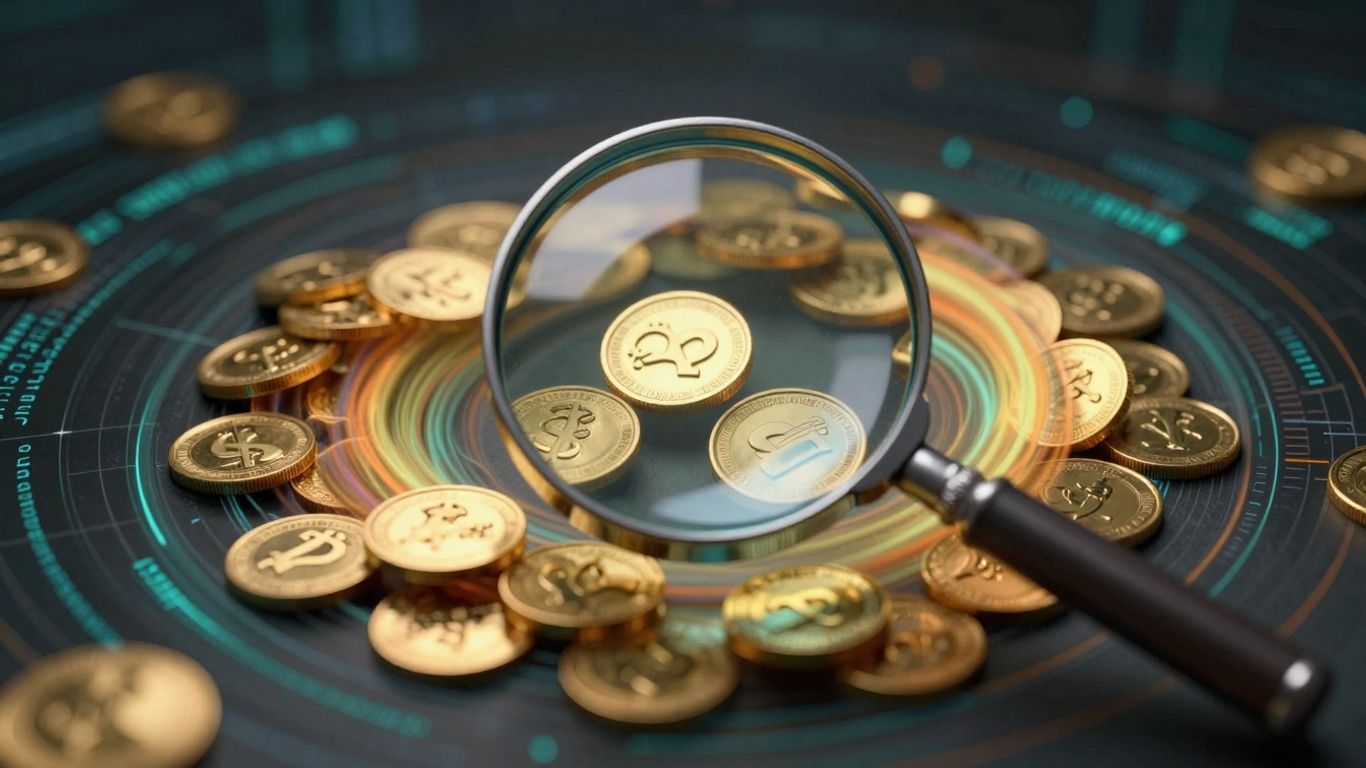
In the fast-moving world of digital assets, keeping tabs on where your money is going and coming from is super important. It's not just about making sure transactions go through; it's about staying safe from bad actors and following the rules. This is where batch wallet screening comes in.
The digital asset space is always changing, and unfortunately, so are the ways criminals try to exploit it. We're seeing more sophisticated scams, like ransomware attacks demanding crypto payments, and complex money laundering schemes that try to make dirty money look clean. These aren't just simple hacks anymore; they involve multiple steps, different blockchains, and even things like NFTs to hide the trail. Staying ahead of these evolving threats requires constant vigilance and the right tools.
Remember the old days of checking things one by one? That just doesn't cut it anymore. Trying to manually screen every single wallet address involved in a transaction is like trying to catch raindrops in a sieve – it's slow, prone to errors, and you'll miss a lot. Traditional methods often lack the ability to look at the bigger picture, like how different wallets are connected or if an address has a history of suspicious activity. They also struggle with the sheer volume of transactions happening every second.
Instead of waiting for something bad to happen, proactive wallet monitoring means setting up systems to watch for risks before they become a problem. This involves looking at transaction patterns, checking addresses against watchlists, and using advanced analytics to spot unusual behavior. It's about building a defense system that's always on guard. Think of it like having a security camera that not only records but also alerts you if it sees something suspicious. This approach helps you identify potential issues, like ties to sanctioned entities or involvement in illicit activities, much faster than manual checks ever could.
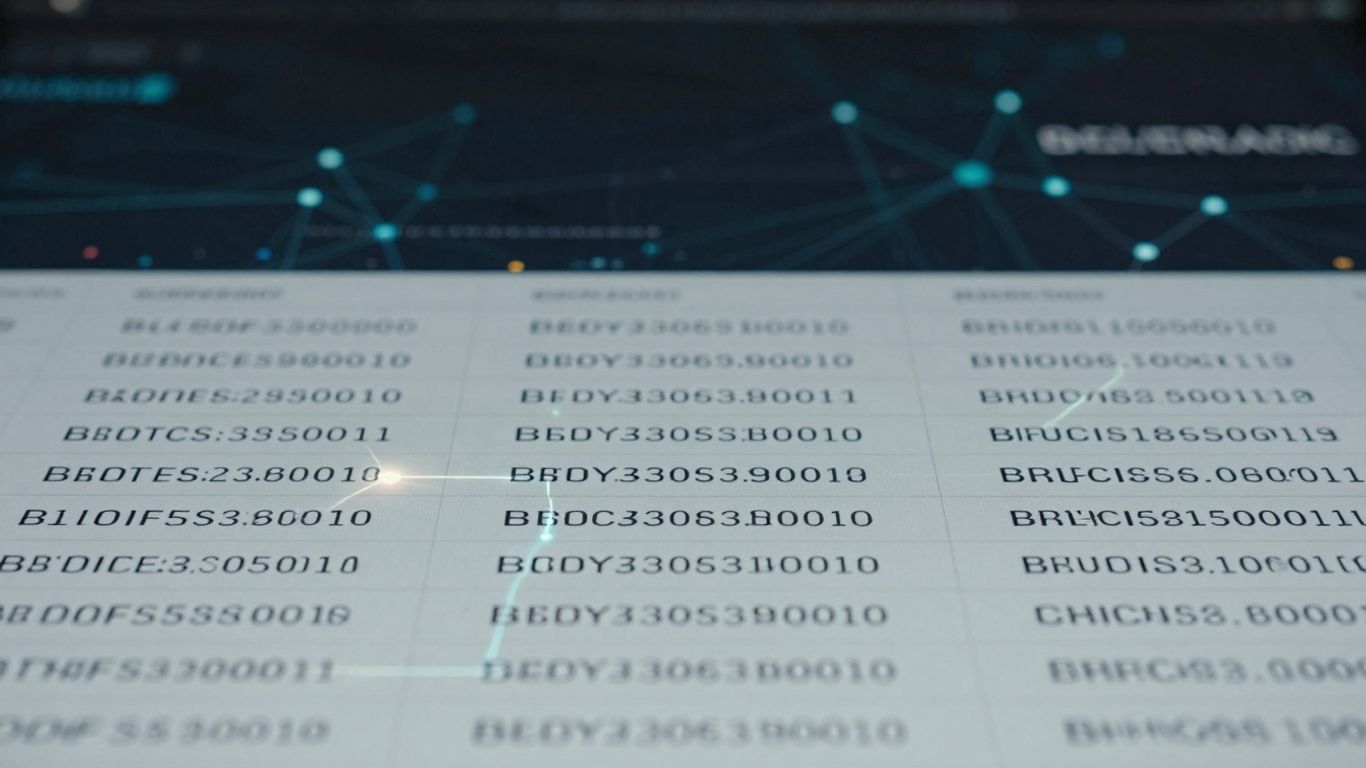
Alright, let's talk about using CSV files for batch wallet screening. Sometimes, you've got a big list of crypto addresses you need to check, and doing it one by one would take forever. That's where CSV comes in handy. It's basically a simple text file where data is separated by commas, making it easy for computers to read and process.
Before you can just upload a file, you need to make sure your data is in the right format. Think of it like getting your ingredients ready before you start cooking. You need a list of the wallet addresses you want to screen. Usually, this is just a single column of addresses. If you have other info, like the owner's name or the purpose of the wallet, you can add those as separate columns too. Just make sure each address is on its own line and that there are no extra spaces or weird characters messing things up. Getting this right upfront saves a lot of headaches later. You can often export this data from your own systems or databases. For example, if you're managing payouts, you might have a list of recipients that you can export to a CSV file, similar to how you might prepare data for batch transfers on platforms like Solana [de1d].
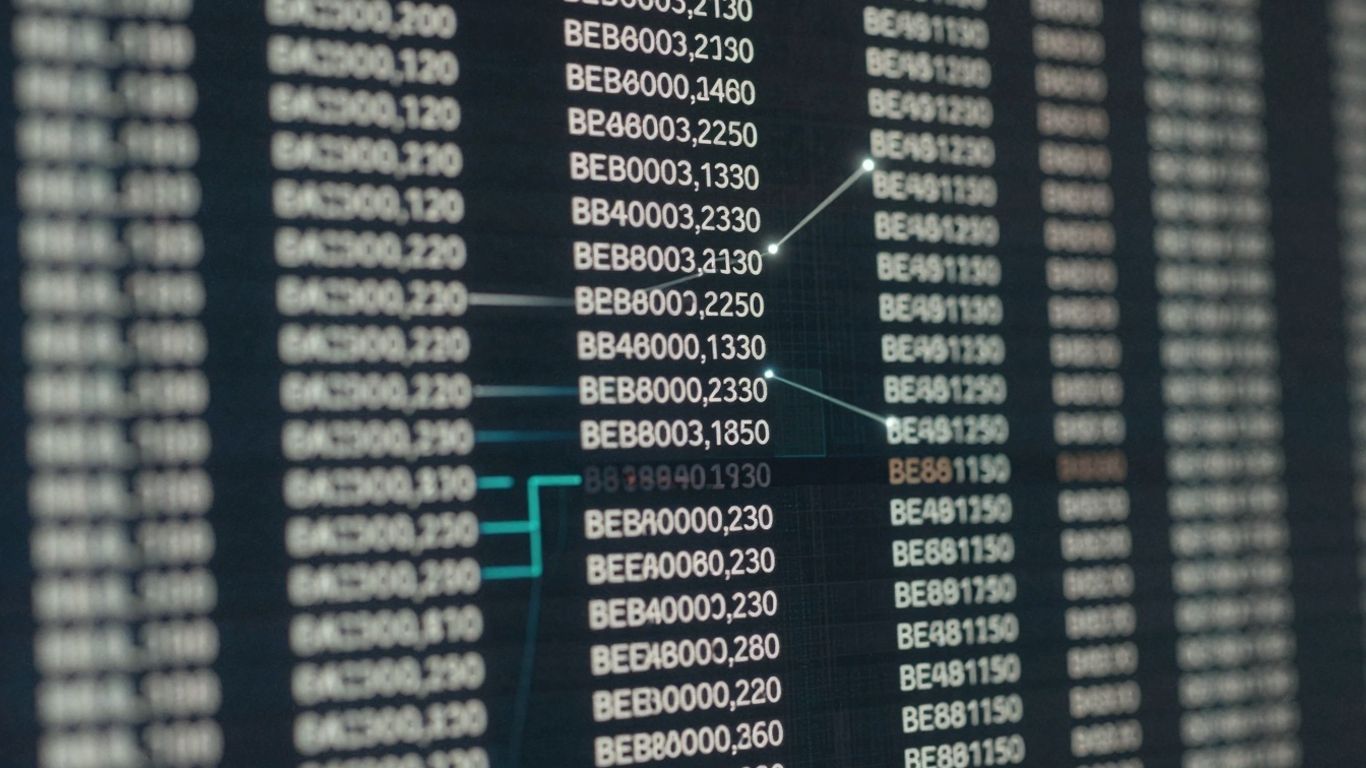
Once your CSV file is prepped, you can upload it to a screening tool. The tool then reads each address in your file and checks it against its database of known risky or sanctioned wallets. This is way faster than manual checks. You're essentially asking the system to do a mass lookup for you. The results will typically tell you if an address is flagged, and sometimes why. It's a straightforward way to get a quick overview of potential risks associated with a large number of wallets.
After the screening is done, you'll get a report, usually in another CSV file. This report will match up with your original upload, showing the status for each wallet address. You might see categories like 'Clean', 'High Risk', or 'Sanctioned'. It's important to understand what these labels mean in the context of your risk management policies. For instance, a 'High Risk' flag might mean further investigation is needed, while 'Sanctioned' might require immediate action, like blocking any transactions.
Here’s a quick look at what you might see:
Remember, a CSV screening is often just the first step. It helps you identify wallets that need a closer look, but it doesn't replace the need for thorough due diligence, especially for addresses flagged as high risk. The goal is to get a broad view quickly and then focus your resources where they're needed most.
This method is great for periodic checks or when you have a defined list of addresses to review. It's a practical approach for managing compliance without getting bogged down in manual lookups for every single address.
While CSV uploads are great for one-off checks or smaller batches, sometimes you need things to happen faster, like, right now. That's where API integration comes in. Think of it as plugging your systems directly into a screening service, so information flows back and forth automatically.
Using an API means you're not manually uploading files anymore. Your systems can talk to the screening service directly. This is a big deal for a few reasons:
Getting an API set up usually involves a few steps. Most services will give you an API key, which is like a password for your application to access their service. You'll then use this key in your code to make requests.
Here’s a general idea of how it works:
Example API Request/Response Flow:Your system sends a request like POST /v1/wallets/screen with a JSON body containing {"address": "0x123...abc"}. The API responds with {"address": "0x123...abc", "risk_score": 85, "flags": ["sanctioned_entity", "high_risk_activity"], "timestamp": "2025-12-18T10:30:00Z"}.
When you connect your systems via API, you can build really smart compliance processes. For instance, imagine a new user signs up on your platform. Instead of waiting for someone to manually check their wallet, the API call happens automatically. If the wallet is flagged, you can set up rules:
This kind of automation is what really helps businesses stay compliant without slowing down their operations. It's about making sure you're catching risks as they appear, not days later when it might be too late.
When you're looking at screening a bunch of crypto wallets, it's not just about running the data through a tool and calling it a day. There are a few things you really need to keep in mind to make sure you're actually getting useful results and not just a bunch of noise. It’s about being thorough and smart about it.
First off, the data you feed into the screening process has to be good. If you're uploading a CSV file, double-check that the wallet addresses are correct and that there aren't any typos. Same goes for API inputs. Garbage in, garbage out, right? You also want to make sure you're not missing any wallets from your list. A partial list means you're only seeing part of the picture, and that can be risky. Think about it like trying to find a specific book in a library, but you only give the librarian half the title – you're probably not going to find what you're looking for.
This is a big one. You've got to make sure your screening process aligns with all the relevant regulations. This isn't just about avoiding fines; it's about managing risk properly. Different jurisdictions have different rules, and staying on top of them is key. You'll want to screen against watchlists like OFAC, and also consider Know Your Customer (KYC) and Anti-Money Laundering (AML) requirements. It’s about building a system that helps you identify potentially risky transactions or wallets before they become a problem. For instance, understanding the three stages of crypto money laundering – placement, layering, and integration – is vital for spotting suspicious activity.
What works for screening a hundred wallets might not cut it when you're dealing with thousands or even millions. Your screening method needs to be able to grow with your needs. If you're using a CSV upload, can the system handle massive files without crashing? If you're using an API, how fast does it respond when you're sending a lot of requests? You don't want your compliance process to become a bottleneck. Look for solutions that can handle global mass payouts efficiently, whether through API or CSV, as this often involves screening large volumes of data.
The digital asset space moves fast. What's considered a low-risk transaction today might be flagged tomorrow. Your screening process needs to be adaptable and keep pace with these changes, not just react to them.
Here’s a quick look at what to consider:
Beyond basic checks, we can get a lot more sophisticated with wallet screening. It's not just about spotting obvious bad actors anymore; it's about understanding the subtle patterns and behaviors that might indicate risk.
Think of blockchain analytics as a super-powered magnifying glass for transactions. Instead of just looking at a single wallet, we can trace the flow of funds across multiple wallets and even different blockchains. This helps us see the bigger picture. For instance, we can identify if a wallet is part of a larger network involved in suspicious activity, even if the individual wallet itself looks clean at first glance. Tools that analyze transaction velocity, clustering of addresses, and cross-chain movements are key here. This level of detail helps uncover complex money laundering schemes like layering, where funds are moved through many different accounts to hide their origin.
Criminals often develop patterns in how they operate. For example, they might use mixers or tumblers to obscure transaction trails, or engage in rapid, multi-hop transfers. Some might even use privacy-focused coins like Monero to make tracing harder. Identifying these specific techniques is where advanced screening shines.
Here are some common patterns to watch for:
The digital asset space moves fast, so waiting for batch reports isn't always enough. Real-time assessment means continuously monitoring wallets and flagging suspicious activity as it happens. This could involve AI-driven systems that look for unusual transaction volumes, sudden changes in behavior, or interactions with known high-risk addresses. Imagine a system that can alert you the moment a wallet you're watching starts interacting with a newly identified scam operation. This proactive approach is vital for staying ahead of evolving threats.
So, you've decided batch wallet screening is the way to go. That's great! But with so many options out there, how do you pick the one that actually fits your needs? It's not just about finding a tool; it's about finding the right tool for your specific situation. Think of it like picking a contractor for a big job – you wouldn't just hire the first person you find, right? You want someone reliable, who knows what they're doing, and won't break the bank.
When you're looking at different companies that offer batch screening, there are a few things to keep in mind. First off, what kind of global coverage do they offer? If you're dealing with wallets from all over the world, you need a provider that can handle that. Also, how automated is their compliance? Are they just giving you a list, or are they actively helping you meet regulations like AML and KYC? This is super important. And what about integration? Can their system talk to your existing software, like your ERP or accounting tools? Some solutions are pretty basic, only offering CSV exports, while others have prebuilt connectors and APIs. It's a big difference.
Here's a quick rundown of what to look for:
Okay, let's talk money. The total cost of ownership isn't just the sticker price. You've got to factor in subscription fees, any setup or training costs, and of course, the transaction fees. International payments often come with currency conversion fees, too, and sometimes there's a markup on the exchange rate. It's easy to get caught up in the monthly fee, but look at the whole picture. How much time and money are you currently losing to manual processes, errors, or compliance issues? A good screening solution should save you more than it costs. For example, some platforms can reduce payment errors by a significant amount, which adds up fast. You might also want to check out Tipalti's Mass Pay feature to see how they handle bulk payouts, as it gives a good idea of what to expect from advanced payment processing.
This is a big one. You're dealing with sensitive wallet information, so you need to be absolutely sure it's protected. What kind of encryption are they using? Do they have robust access controls and audit logs? Think about where your data is stored and how it's handled. A provider that offers enterprise-grade encryption and clear data privacy policies is a must. You don't want your screening data falling into the wrong hands, ever.
When evaluating solutions, always ask about their security protocols. This includes how they protect data both in transit and at rest, their incident response plans, and their compliance with data privacy regulations like GDPR or CCPA. A strong security posture is non-negotiable in today's digital asset landscape.
Ultimately, the best solution is one that not only meets your screening needs but also integrates smoothly with your operations, stays within your budget, and keeps your data safe and sound.
So, we've looked at a couple of ways to handle batch wallet screening, whether you're dealing with a big list of addresses or need to check things on the fly. Using CSV files is pretty straightforward for smaller, one-off tasks, but when you're dealing with a lot of data or need to do this regularly, the API route really shines. It might seem a bit more technical at first, but the automation and flexibility it offers are a game-changer for keeping things secure and efficient. Whichever method you choose, the main thing is to have a solid plan in place for screening those wallets.
Batch wallet screening is like checking a big list of digital money addresses (wallets) all at once. It helps you see if any of these addresses are linked to risky or bad activities, like scams or illegal stuff. It's a way to keep your digital money dealings safer by checking many addresses quickly.
Imagine you have a list of wallet addresses in a spreadsheet. You can save this list as a CSV file. Then, you can upload this file to a special tool that checks all those addresses for you. It's a simple way to check a bunch of wallets without doing them one by one.
Using a CSV file is like sending a pre-written list for checking. An API is more like having a direct conversation with the screening tool. APIs let you check wallets automatically and in real-time, which is great for systems that need constant updates, while CSV is more for one-time or scheduled checks.
The world of digital money is always changing, and new risks pop up. Regularly screening wallets helps you stay ahead of problems. It’s like keeping your digital doors locked and checking who’s knocking, so you don't let in someone who might cause trouble.
Wallet screening itself doesn't directly recover stolen funds. However, by identifying risky or known bad actors' wallets, it helps you avoid sending money to them in the first place. Some advanced tools can help in specific situations, like recovering assets from a hacked wallet before bots can steal them, but screening is mainly about prevention.
When picking a service, check how accurate their information is and how up-to-date it is. Make sure they follow all the important rules and can handle the number of wallets you need to check. Also, ensure they keep your data safe and private. It's like choosing a trustworthy security guard for your digital assets.