[ newsletter ]
Stay ahead of Web3 threats—subscribe to our newsletter for the latest in blockchain security insights and updates.
Thank you! Your submission has been received!
Oops! Something went wrong. Please try again.
Explore address relationship mapping to uncover complex transaction networks and enhance blockchain security with Veritas.


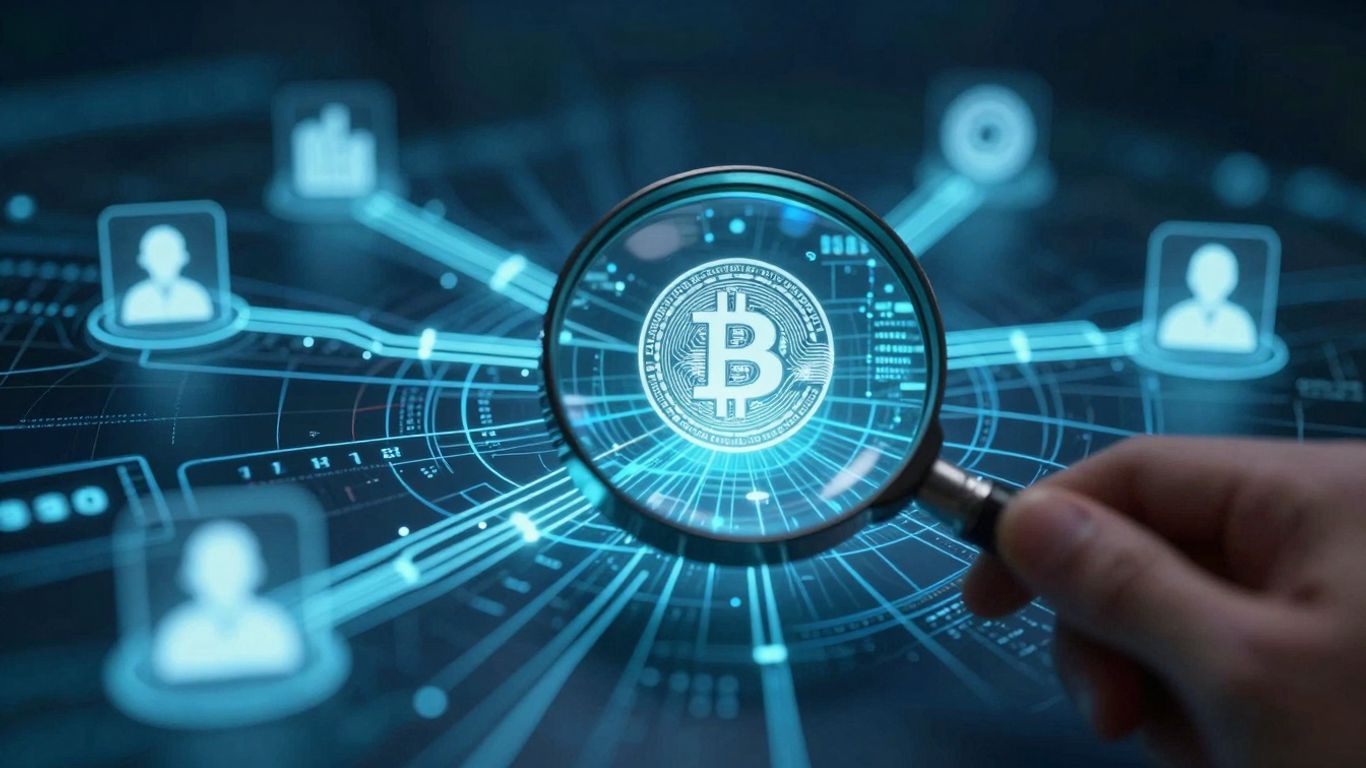
Ever wonder how all those crypto transactions connect? It's like a giant web, and figuring out who's linked to whom can be a real puzzle. That's where address relationship mapping comes in. Think of it as a detective tool for the blockchain, helping us see the bigger picture of how money moves around. It’s not just for spotting trouble; it helps us understand the whole system better.
Think of address relationship mapping as creating a detailed family tree, but for digital money. Instead of tracking who's related to whom by blood, we're looking at how different digital wallets, or addresses, interact with each other. It's all about visualizing the flow of transactions and figuring out who's connected to whom in the vast digital economy.
When we talk about visualizing transaction networks, we're essentially drawing a map of where money moves. Imagine a busy intersection; each car is a transaction, and the roads are the connections between addresses. By mapping these out, we can see the main routes, the side streets, and even dead ends. This visual approach helps make sense of complex financial activity, turning a jumble of data into a clear picture.
This is where we get down to the nitty-gritty. Mapping connections involves identifying every link between different digital addresses. It's not just about seeing a transaction from Address A to Address B; it's about understanding the history and context. Did Address A send money to Address B yesterday? And did Address B then send it to Address C? We're piecing together these sequences to build a comprehensive web of interactions. The goal is to see the entire ecosystem, not just isolated events.
Sometimes, the connections aren't obvious. Money might move through several different addresses, get mixed with other funds, or even jump between different blockchains. Uncovering these complex networks requires looking beyond the surface. It's like being a detective, following subtle clues and piecing together a puzzle. This process can reveal hidden relationships and patterns that wouldn't be visible with a simple transaction history. We might find:
Building these maps manually can be incredibly time-consuming and prone to errors. The sheer volume of data means that even small mistakes can lead to a distorted view of the network. Automated tools are becoming essential for accurately charting these intricate webs of financial activity.
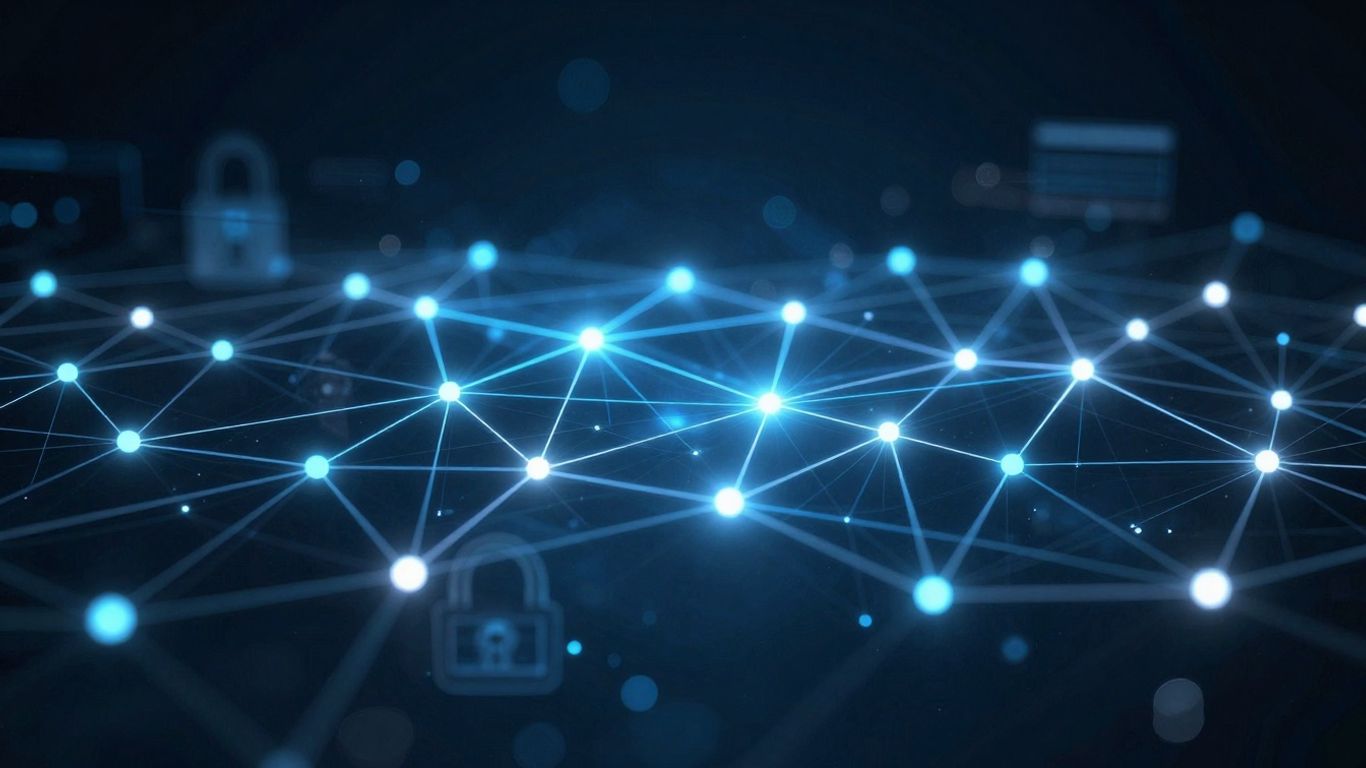
When it comes to keeping digital assets safe, understanding how different addresses connect is a big deal. It's not just about seeing individual transactions; it's about piecing together the whole picture to spot trouble before it happens.
Think of this like being a detective for digital money. We can look back at where funds have been, who sent them, and who received them. This helps us build a timeline and see patterns that might not be obvious at first glance. By mapping these connections, we can often uncover hidden links between seemingly unrelated activities. This is super useful for figuring out the full scope of a security incident or a potential scam.
Here's a quick look at what we can track:
This is where address relationship mapping really shines. We can follow the money as it moves through different wallets and blockchains. Sometimes, funds might be mixed or moved through complex networks to try and hide their origin or destination. Relationship mapping helps us cut through that complexity.
We look for things like:
The ability to visualize these flows allows security professionals to move beyond simple transaction monitoring and gain a deeper insight into the intent behind the movement of assets. It transforms raw data into actionable intelligence.
Ultimately, this kind of analysis makes the whole blockchain ecosystem safer. By understanding how networks of addresses operate, we can develop better defenses. It helps in:
When you're trying to figure out what happened with a specific cryptocurrency transaction, looking at just one address is like trying to understand a conversation by only hearing one person. Address relationship mapping lets you see the whole picture. It helps investigators trace the movement of funds by showing how different addresses connect. This is super useful for figuring out where money came from and where it ended up, especially in complex cases. You can see patterns that you'd totally miss otherwise.
Imagine trying to follow a river through a dense forest. That's what tracking crypto transactions can feel like without good visualization tools. Relationship mapping turns those confusing streams of data into clear, visual maps. You can see incoming and outgoing transactions for any given address, making it way easier to spot suspicious activity. It's like having a bird's-eye view of the entire financial flow. This visual approach is key for understanding the story behind the numbers. Tools like Chainalysis Reactor can help make these flows much clearer.
Sometimes, the money doesn't just go from point A to point B. It bounces around, through multiple wallets and exchanges, making it a real headache to follow. Address relationship mapping allows you to trace these paths across many transactions. You can see how funds move from one address to another, and then to another, and so on. This is incredibly important for piecing together evidence, especially when dealing with money laundering or fraud. It helps answer the big questions: who was involved, and how did they try to hide their tracks?
Understanding the full path of a transaction is vital. It's not just about where the money is now, but how it got there and who touched it along the way. This detailed tracing is what separates a good investigation from a great one.
Manually drawing out connections between addresses can get messy, fast. That's where automated software comes in. Instead of spending hours with diagrams, these tools pull data from your existing systems, like CRMs, to build maps automatically. This means you get a current picture without all the manual effort. Think of it like having a digital assistant that constantly updates your network map as new information comes in. This approach is way faster and usually more complete than trying to piece it all together yourself. It’s a big step up from just using spreadsheets or basic diagramming tools, which often become outdated the moment you finish them.
Beyond just showing who knows whom, advanced techniques use AI to figure out how important those connections are. AI can look at interaction history, frequency of contact, and even the roles people play to assign a score to each relationship. This helps you prioritize who to talk to or which connections might be most useful for a particular goal. It’s not just about having a connection; it’s about understanding the strength and potential of that link. This kind of intelligence can really help when you're trying to build better relationships with superiors or key people in a project [fd4c].
Here's a quick look at how AI can help score relationships:
Static maps are okay, but what if you could see your network change in real-time? Dynamic visualization tools make this possible. They don't just show you a snapshot; they allow you to interact with the data, zoom in on specific areas, and see how relationships evolve over time. This is super helpful for spotting trends or understanding how a network shifts after a particular event. It turns a flat diagram into an interactive landscape, making it easier to spot opportunities or potential issues you might otherwise miss.
The real power comes when these advanced techniques work together. Automated mapping finds the connections, AI scoring tells you which ones matter most, and dynamic visualization lets you explore the whole picture as it changes. This combination moves relationship mapping from a simple contact list to a strategic tool for understanding complex networks.
When you move away from manually drawing out connections between addresses and start using software that does it for you, things get a lot easier. It's not just about saving time, though that's a big part of it. Automated tools actually give you a clearer picture of what's going on.
Think about it: keeping track of every single transaction and who's connected to whom manually is a nightmare. It's like trying to update a giant family tree every time someone gets married or has a kid. Automated systems, on the other hand, are constantly watching the blockchain. They grab new transaction data as it happens and update the maps instantly. This means the information you're looking at is always current, not from last week or last month.
Automated tools don't just show you who is connected to whom. They dig deeper. They can analyze the nature of those connections. For example, they might show you how often two addresses interact, the volume of transactions between them, or even identify patterns that suggest a specific type of relationship, like a known exchange or a mixer service. This kind of detailed intelligence is almost impossible to uncover manually.
The real power comes from seeing not just the links, but the strength and type of those links. It's like going from a simple map to a detailed topographical survey.
Ultimately, all this automation and better data leads to smarter decisions. When you have a clear, up-to-date view of complex networks, you can spot opportunities you might have missed. Maybe you see a cluster of addresses interacting with a known entity, suggesting a new market trend. Or perhaps you identify a gap in a network that could be exploited for illicit purposes, allowing you to take preventative action. This kind of insight turns address relationship mapping from a simple visualization tool into a strategic asset that can help drive growth and security.
Here's a quick look at what you gain:
So, you've got this powerful tool for mapping out who's connected to whom in the blockchain world. That's great, but how do you actually make it a regular part of what you do? It’s not just about having the data; it’s about using it to make smarter moves.
Think of address relationship mapping as a way to get a clearer picture of the landscape. Instead of just guessing, you can see actual connections and how they might play out. This means when you're planning your next steps, whether it's for security, compliance, or even business development, you're working with real intelligence.
The real value comes when this mapping isn't a one-off task but a continuous process that informs your day-to-day strategy. It helps turn raw data into concrete actions.
Sometimes, the most important thing you can find out is what's missing. Relationship mapping can highlight areas where connections are weak or non-existent, which could be a security vulnerability or a missed business opportunity. For instance, if you're tracking funds and notice a cluster of addresses that seem isolated, it might be worth a closer look. Or, if a potential partner has a gap in their network where you could step in, that's a clear opening.
Ever feel like you're trying to reach the right person but keep hitting dead ends? Relationship mapping can be a game-changer here. By visualizing the connections, you can often see the most direct or warmest path to the person you need to talk to. It’s like having a cheat sheet for introductions. This can significantly speed up your outreach and make those initial conversations much more productive. You can explore top relationship mapping software to see how these tools can help visualize these opportunities and secure key accounts.
So, we've looked at how mapping out connections between different addresses can really help us see the bigger picture. It's not just about who sent what to whom, but understanding the whole web of activity. Tools like Veritas can make this process a lot easier, helping to spot patterns that might otherwise get missed. Whether you're trying to secure smart contracts or just understand transaction flows better, getting a handle on these relationships is pretty important. It's a complex area, but breaking it down and using the right tools makes it much more manageable.
Imagine you have a bunch of addresses, like mailboxes, that send and receive digital money or information. Address relationship mapping is like drawing a map that shows how these addresses are connected. It helps us see who is sending what to whom, and how all these transactions link together, kind of like tracing a path in a game.
This mapping is super useful for keeping things safe and secure. It helps investigators track down where money or data has gone, especially if something suspicious happened. Think of it like a detective following clues to solve a mystery. It helps spot unusual activity and makes the whole digital money system more trustworthy.
Yes, it can! By looking at the connections between addresses, we can sometimes spot patterns that criminals use to hide their actions. It's like finding a secret tunnel on a map. This helps law enforcement and security experts identify and stop illegal activities happening in the digital world.
While you could try to map things out by hand, it would take forever and be really hard to keep track of everything. There are special computer programs and software that can do this automatically. These tools are much faster and can handle tons of information to create detailed maps of how addresses are linked.
Blockchain is like a public ledger for digital transactions. Mapping the relationships between addresses on the blockchain helps us understand the flow of assets and identify potential risks or vulnerabilities. This makes the whole system more transparent and secure for everyone using it.
The information used for mapping usually comes from public transaction data on blockchains, which is generally visible. However, the tools that do the mapping are designed for security analysis and investigations. They help experts understand complex networks, not to spy on individuals. Your personal information is kept private unless it's part of a public transaction.